deepfake
Updated: April 8, 2026

Cybercriminals use artificial intelligence tools to manipulate images, commit online fraud, and deceive victims; see tips to reduce risks on the web.
Scammers are taking advantage of advances in artificial intelligence tools to create fake images and perpetrate online fraud. These AI-generated or manipulated photos often have a high level of realism, which helps create a sense of urgency and deceive victims in schemes capable of affecting emotions. Iskander Sanchez-Rola , Director of AI and Innovation at Norton , warns that “with the artificial intelligence tools available today, it is possible to make virtually anyone appear to be doing almost anything in a matter of seconds, without the need for technical knowledge.”

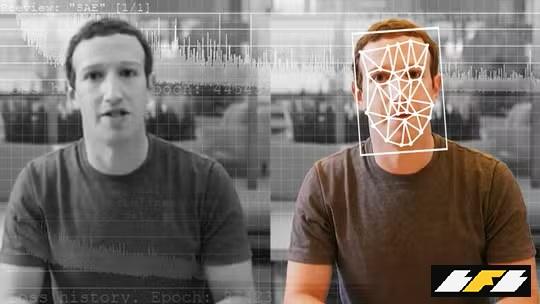
Furthermore, AI-generated fake images are often used to produce deepfakes , a technique that applies artificial intelligence to create fraudulent and realistic videos . “AI can make people appear to be in places they’ve never been, doing things they’ve never done, or being portrayed in compromising or misleading ways. This type of manipulation is extremely dangerous and can have serious consequences in the real world,” emphasizes the expert. In the following lines, learn about six types of AI-generated fake images used in online scams to avoid risks.