Understanding The Psychology Behind Collecting Designer Toys
Updated: March 19, 2026
Understanding the Psychology Behind Collecting Designer Toys
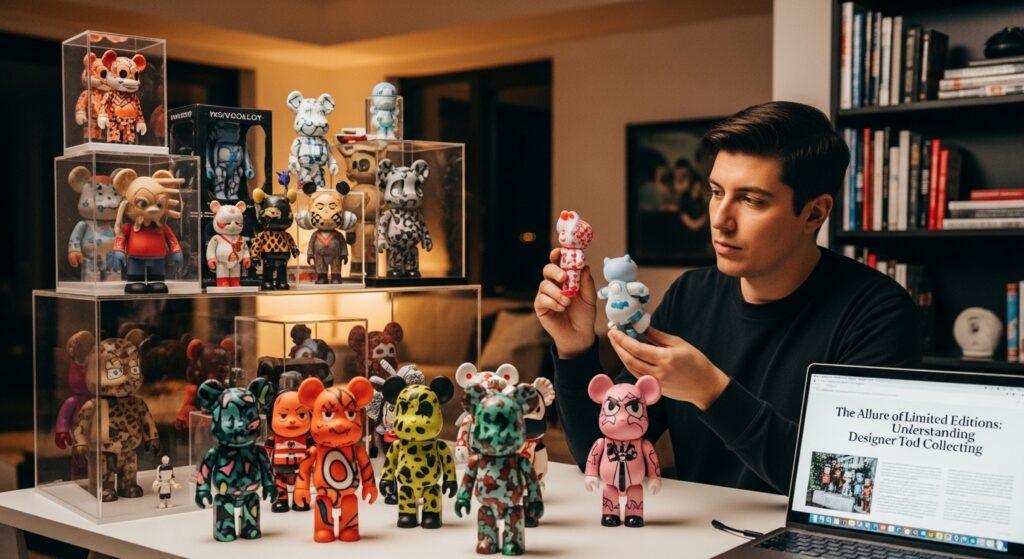
The world of designer toys is a fascinating one, filled with vibrant colors, unique designs, and passionate collectors. These toys, often considered as art pieces, attract a diverse range of individuals who dedicate significant time and resources to their collections. But what drives people to collect these often-expensive pieces of plastic and vinyl? The answer lies in the intricate psychology behind collecting designer toys.
The Appeal of Designer Toys
At the heart of collecting is the pursuit of uniqueness and creativity. Designer toys often feature limited runs, with each piece being a unique work of art. This exclusivity can create a sense of prestige and accomplishment among collectors who manage to obtain rare items. The artists behind these toys bring their own distinctive styles and narratives, making each piece more than just a toy but a story or an expression.
The Emotional Connection
Collecting designer toys often begins with an emotional connection. Many collectors report feeling a sense of nostalgia, as these toys can remind them of their childhood or a simpler time in life. They might also resonate with the themes or characters depicted in the toys, which can evoke personal memories or emotions. This emotional bond is a powerful motivator for collectors, driving them to seek out specific pieces that resonate with them personally.
The Thrill of the Hunt
Another psychological aspect of collecting designer toys is the thrill of the hunt. The process of finding and acquiring rare or highly sought-after pieces can be exhilarating. This pursuit often involves attending conventions, participating in online forums, and networking with other collectors. The competitive nature of acquiring these limited edition items can also drive collectors to push their limits, both financially and socially.

Social Identity and Community
Collecting designer toys is not just about the individual; it is also about community. Many collectors find a sense of belonging within the collector community, where they can share their passion with like-minded individuals. This sense of community and social identity can be a significant motivator, encouraging collectors to expand their collections and participate in community events.
Financial Investment
Though often overlooked, the financial aspect of collecting designer toys can also be a factor. Some collectors view their collections as investments, anticipating that the value of their toys will increase over time. This belief can add a layer of justification for the expenses incurred while collecting. While not all toys will appreciate in value, the potential for financial gain can be an attractive aspect for some collectors.
Personal Expression
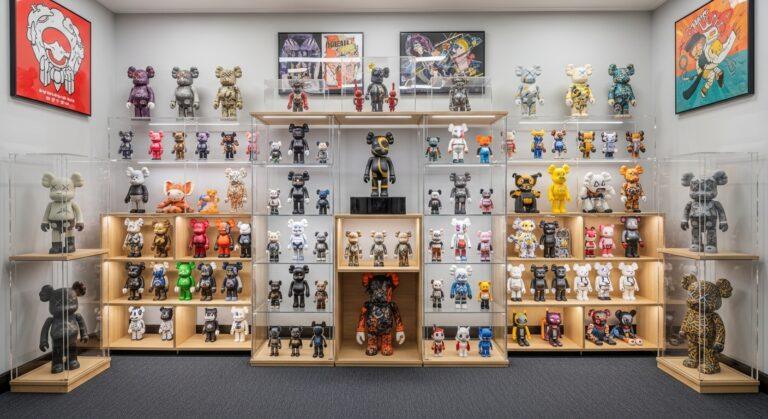
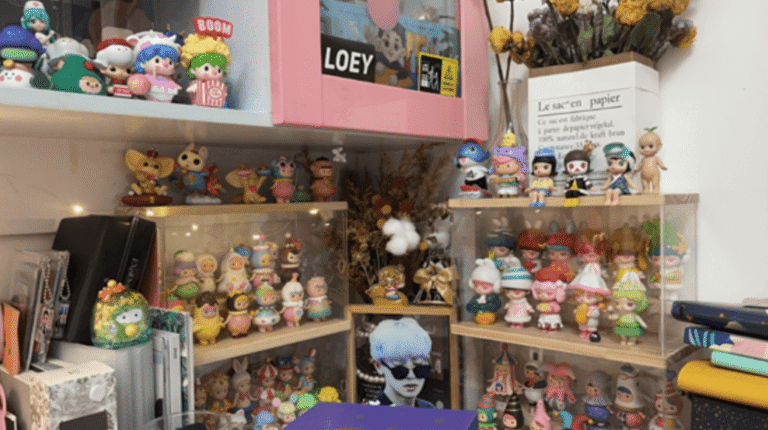
Designer toys offer a unique form of personal expression. Collectors often use their collections to showcase their tastes, interests, and identities. For many, the way they display and curate their collections is an art form in itself. This form of self-expression allows collectors to communicate aspects of their personality and preferences to others, further enhancing the personal satisfaction derived from collecting.
The Role of Technology
In recent years, technology has played a significant role in the world of designer toys. Online platforms and social media have made it easier for collectors to connect, share their collections, and stay updated on the latest releases. This increased accessibility has broadened the appeal of designer toys, attracting a new generation of collectors who are tech-savvy and eager to participate in online communities.
The Influence of Pop Culture
Pop culture has a significant impact on the popularity of designer toys. Many toys are inspired by popular movies, television shows, and comic book characters, drawing fans of these franchises into the world of designer toys. This connection to pop culture can enhance the emotional appeal of the toys, as collectors seek to own pieces that represent their favorite characters or stories.
Takeaways
Understanding the psychology behind collecting designer toys reveals a complex interplay of emotional, social, and cultural factors. The appeal of uniqueness, the thrill of the hunt, and the sense of community all contribute to the allure of these toys. Whether driven by nostalgia, investment, or personal expression, collectors find a deep sense of satisfaction in building their collections. As the world of designer toys continues to evolve, it will undoubtedly attract new collectors and continue to captivate the hearts of those already immersed in this colorful and dynamic hobby.
For further exploration into the fascinating world of collecting and its psychological impacts, consider visiting resources like the encyclopedia on collecting or diving into academic articles on the topic. This exploration can provide deeper insights into why collecting remains such a popular and enduring pastime.
Challenges and Criticisms of Collecting Designer Toys
While the world of designer toys is filled with passion and creativity, it is not without its challenges and criticisms. One major challenge is the inherent cost associated with collecting. Designer toys can be expensive, especially limited edition pieces, which can create financial strain for some collectors. This aspect often leads to discussions about exclusivity and accessibility within the community.
Another criticism is the potential for obsession. Like any hobby, collecting can become all-consuming for some individuals, leading to neglect of other responsibilities or financial difficulties. The line between a passionate hobby and an unhealthy obsession can sometimes blur, necessitating a careful balance for collectors.
The Future of Designer Toy Collecting
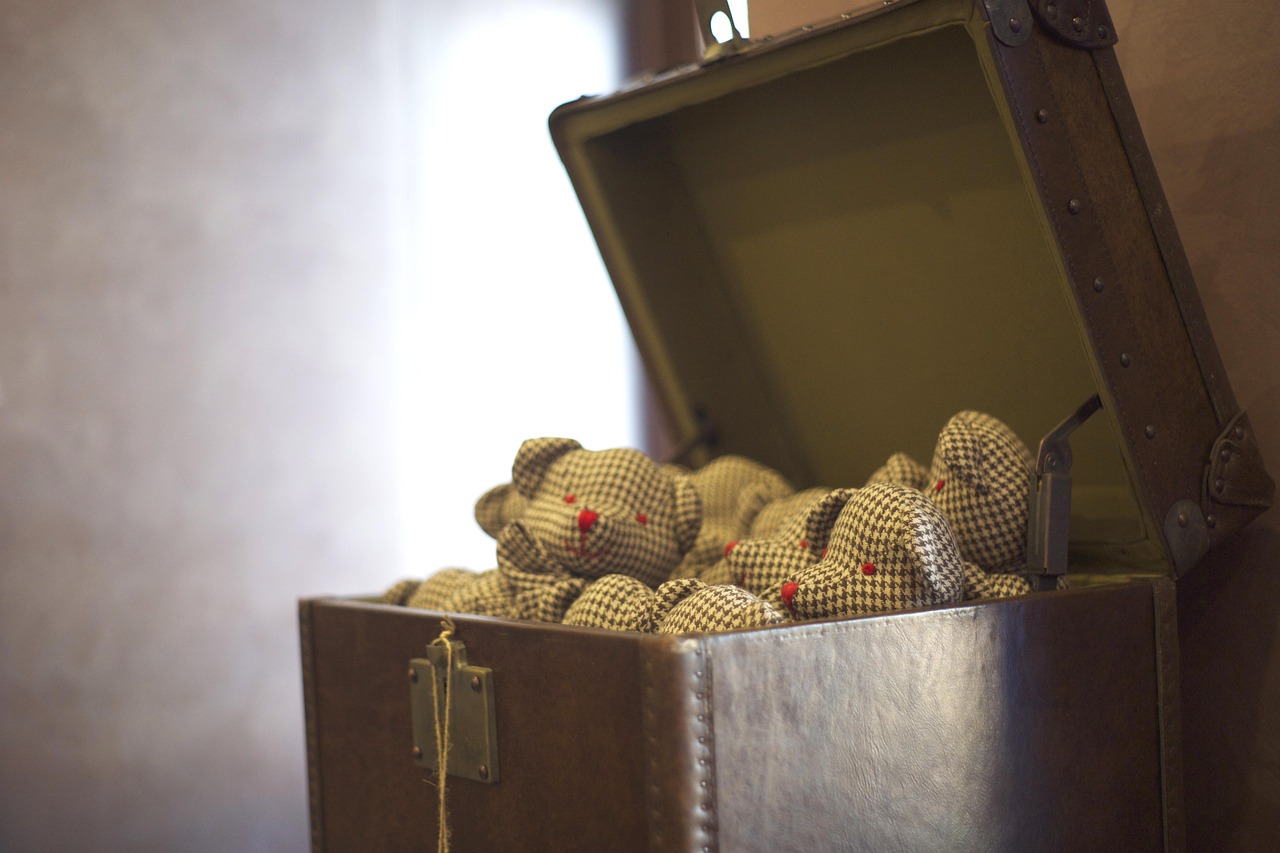
Despite these challenges, the future of designer toy collecting looks promising. With the rise of digital collectibles like NFTs, there is potential for crossover between physical and digital toy collections. This evolution may attract new collectors and offer innovative ways to engage with the toys, expanding the boundaries of what it means to collect designer toys.
The continued influence of pop culture and collaborations with well-known brands and artists also promise to keep the scene vibrant and dynamic. As long as there is creativity to be explored and stories to be told, designer toys will continue to captivate collectors around the world.
Practical Tips for Aspiring Collectors
For those interested in entering the world of designer toy collecting, it’s essential to start with research. Understanding the landscape, key artists, and popular series can provide a solid foundation. Attending conventions and joining online forums can also offer valuable insights and connections within the community.
Setting a budget is crucial. It’s easy to get swept up in the excitement of acquiring new pieces, but having a clear financial plan can help maintain a healthy balance. Aspiring collectors should also consider the space for displaying their collection, as proper display can enhance the enjoyment and value of the toys.
Finally, collecting should be a personal journey. While trends and popular pieces are worth noting, the most fulfilling collections are those that reflect the individual collector’s interests and passions. By focusing on personal connections to the toys, collectors can ensure their collection remains a source of joy and satisfaction.
Takeaways
Collecting designer toys is much more than a simple hobby; it is a complex and rewarding pursuit that taps into various psychological and social elements. From the thrill of the hunt to the joy of personal expression, the world of designer toys offers something unique to each collector. While challenges exist, the vibrant community and endless possibilities for creativity make it a captivating interest that continues to grow and evolve. Whether you’re a seasoned collector or a newcomer, the journey through this colorful world promises to be an exciting adventure.
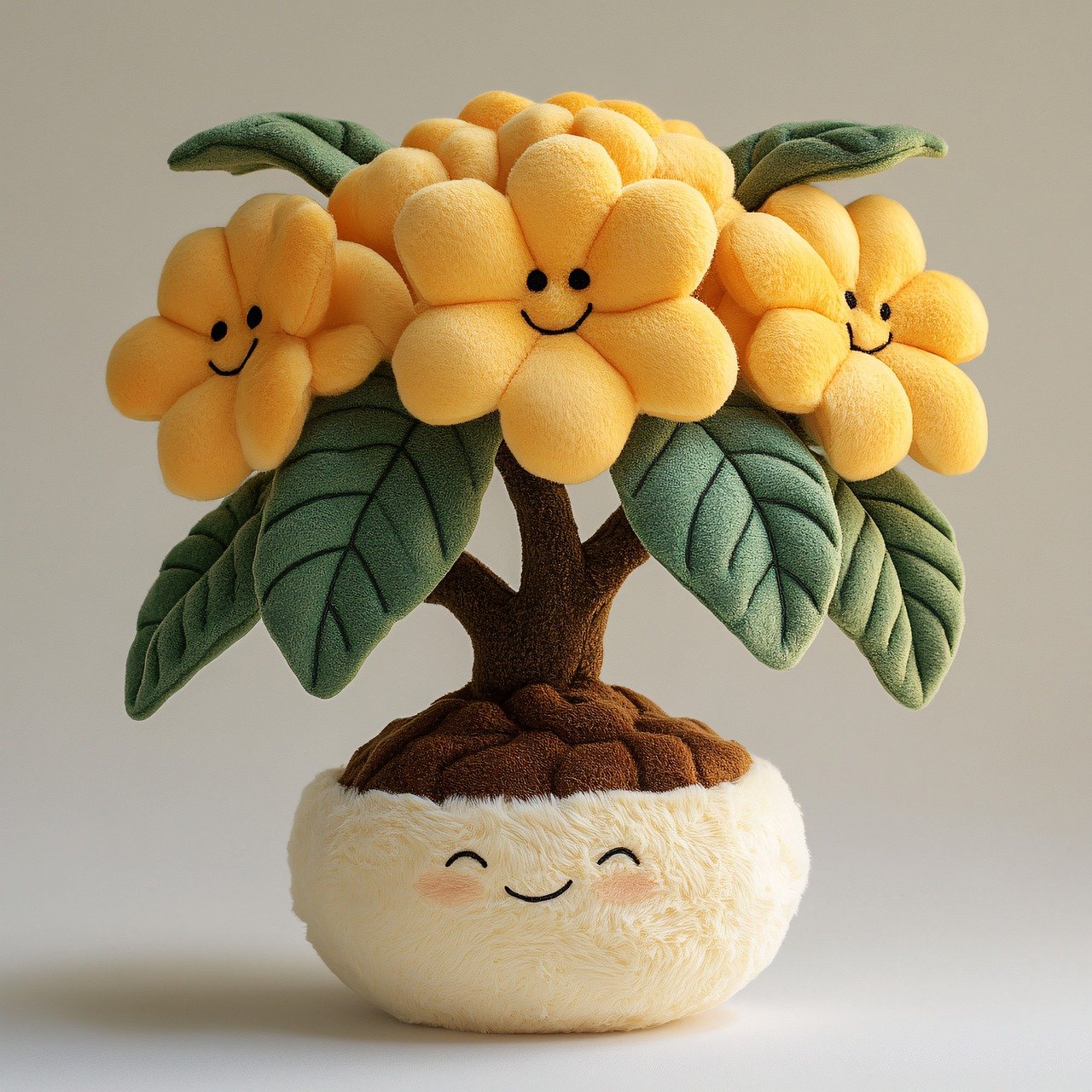
For more information on collecting and to delve deeper into its psychological aspects, you might find resources such as this collectors’ guide insightful. Whether as a casual interest or a committed pursuit, collecting designer toys offers rich rewards for those willing to explore its depths.
Designer Toys as a Cultural Phenomenon
Designer toys have transcended their origins to become a significant cultural phenomenon, reflecting broader societal trends and values. This transformation is evident in how these toys often encapsulate contemporary themes and issues, from environmental concerns to social justice. Artists use designer toys as a medium to comment on and engage with the world around them, making these collectibles not just objects of desire but also catalysts for conversation and reflection.
Moreover, the global nature of designer toys has led to cross-cultural exchanges, with artists and collectors from around the world contributing to a diverse and dynamic scene. This international perspective has enriched the community, introducing a variety of styles and themes that reflect the unique cultural backgrounds of their creators.
The Role of Marketing and Branding
Marketing and branding play crucial roles in the designer toy industry. Many artists and companies have developed strong brand identities that resonate with their audience, often using social media platforms to build and maintain a loyal following. Limited releases and clever marketing strategies create a sense of urgency and exclusivity, driving demand and elevating the perceived value of these toys.
Collaborations between designers and established brands or celebrities have further amplified the reach and appeal of designer toys. Such partnerships not only bring new audiences into the fold but also add a layer of prestige to the toys, reinforcing their status as desirable collectibles.

Educational Value and Art Appreciation
For many collectors, designer toys are a gateway to art appreciation. These toys often feature innovative designs and high-quality craftsmanship, providing an accessible entry point for those who might not typically engage with traditional art forms. By collecting designer toys, individuals can develop an appreciation for different artistic styles and techniques, expanding their understanding of art and design.
Parents and educators have also recognized the educational potential of designer toys. By incorporating these toys into learning environments, they can spark creativity and inspire young minds to explore the world of art and design. This approach not only nurtures artistic skills but also encourages critical thinking and problem-solving abilities.
Conclusion: The Enduring Allure of Designer Toys
The enduring allure of designer toys lies in their ability to capture the imagination and connect with individuals on a deeply personal level. Whether it’s the thrill of finding a rare piece, the joy of self-expression, or the sense of community among fellow collectors, these toys offer a rich and multifaceted experience.
As the designer toy scene continues to evolve, it will undoubtedly continue to attract new enthusiasts and inspire creativity and innovation. For those who choose to explore this vibrant world, the rewards are plentiful, offering opportunities for connection, expression, and discovery. The journey of collecting designer toys is one of endless possibilities, where art and play come together in a colorful celebration of creativity.
To further explore the cultural and artistic impact of designer toys, resources such as this art platform can provide valuable insights and inspiration. Whether you’re an artist, collector, or simply curious, the world of designer toys offers a unique and engaging experience that continues to captivate audiences worldwide.