Updated: March 11, 2026
The Role of Designer Toys in Modern Interior Design: Blending Play and Aesthetics
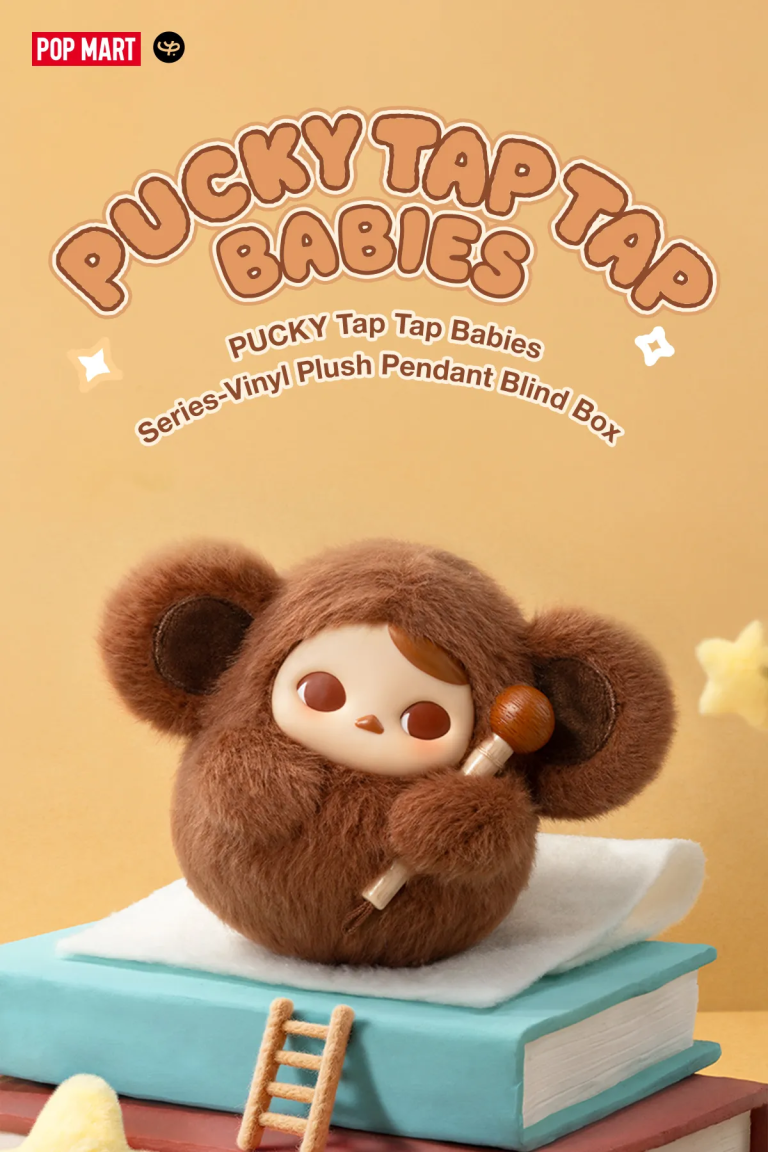
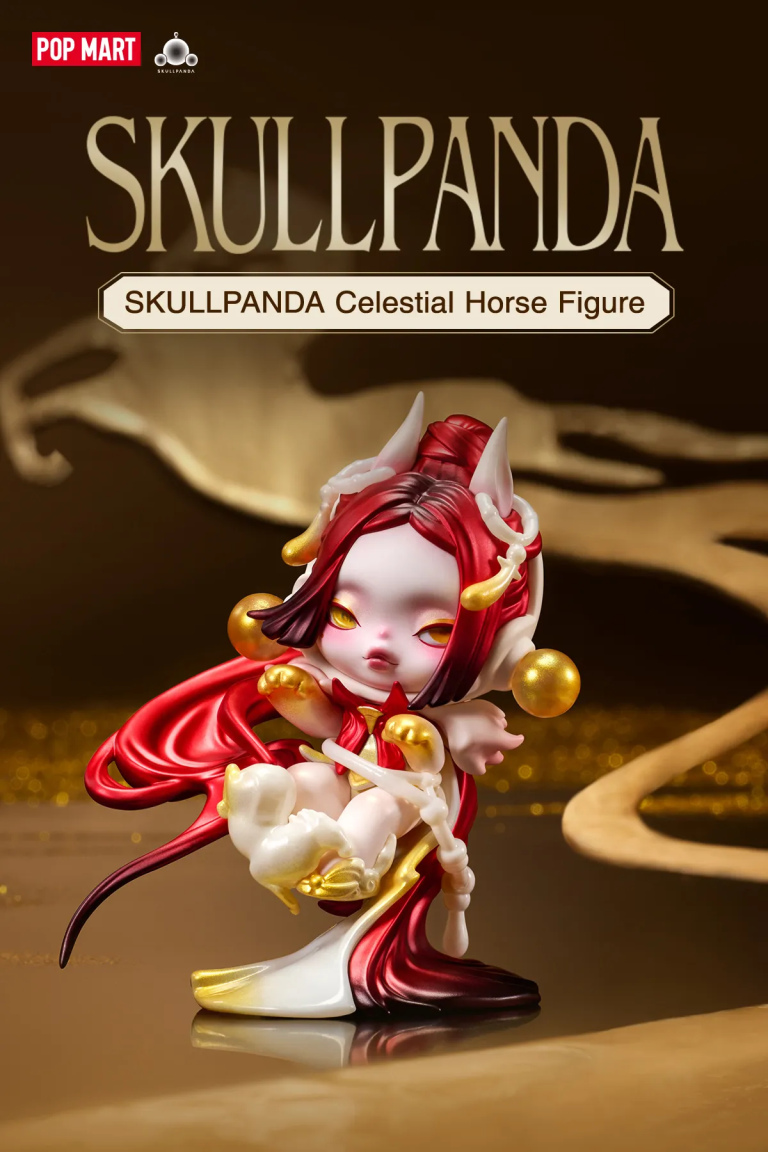
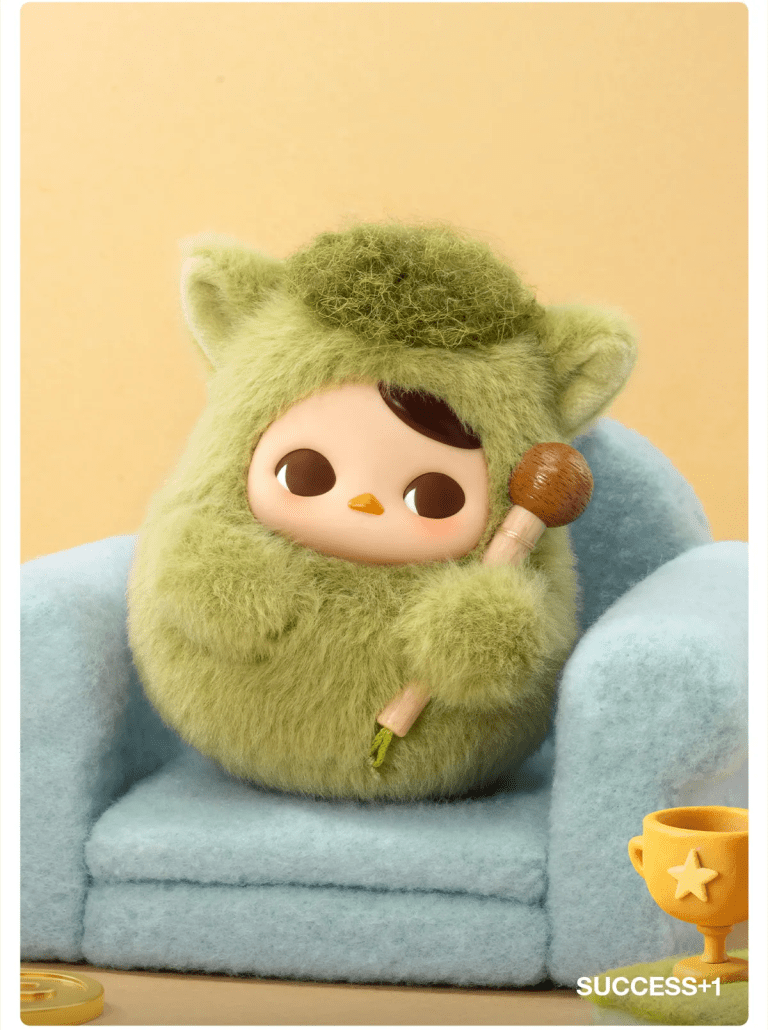
In recent years, designer toys have transcended their status as mere collectibles, becoming significant elements in modern interior design. These toys, often crafted with meticulous detail and imaginative artistry, offer a unique way to infuse personality and creativity into living spaces. In this blog post, we will explore how designer toys play a pivotal role in contemporary interior design by blending playfulness with aesthetic appeal.
The Evolution of Designer Toys
Designer toys originated in the late 1990s, primarily as a niche market for artists and collectors. Initially, these toys were created in limited editions, often featuring collaborations between renowned artists and toy manufacturers. Over time, pop art influences and street culture played a significant role in shaping the aesthetics of designer toys, making them highly sought-after items.
Today, designer toys are crafted using various materials such as vinyl, resin, and wood, and they often incorporate avant-garde designs that challenge traditional notions of both toys and art. This evolution has allowed them to infiltrate the world of interior design, where they are used to create visually stimulating environments.
Designer Toys as Statement Pieces
One of the primary roles of designer toys in modern interior design is their ability to serve as statement pieces. These toys often boast bold colors, unique shapes, and intricate details, making them perfect for capturing attention and sparking conversation. When strategically placed, a designer toy can transform a mundane space into one that exudes personality and charm.
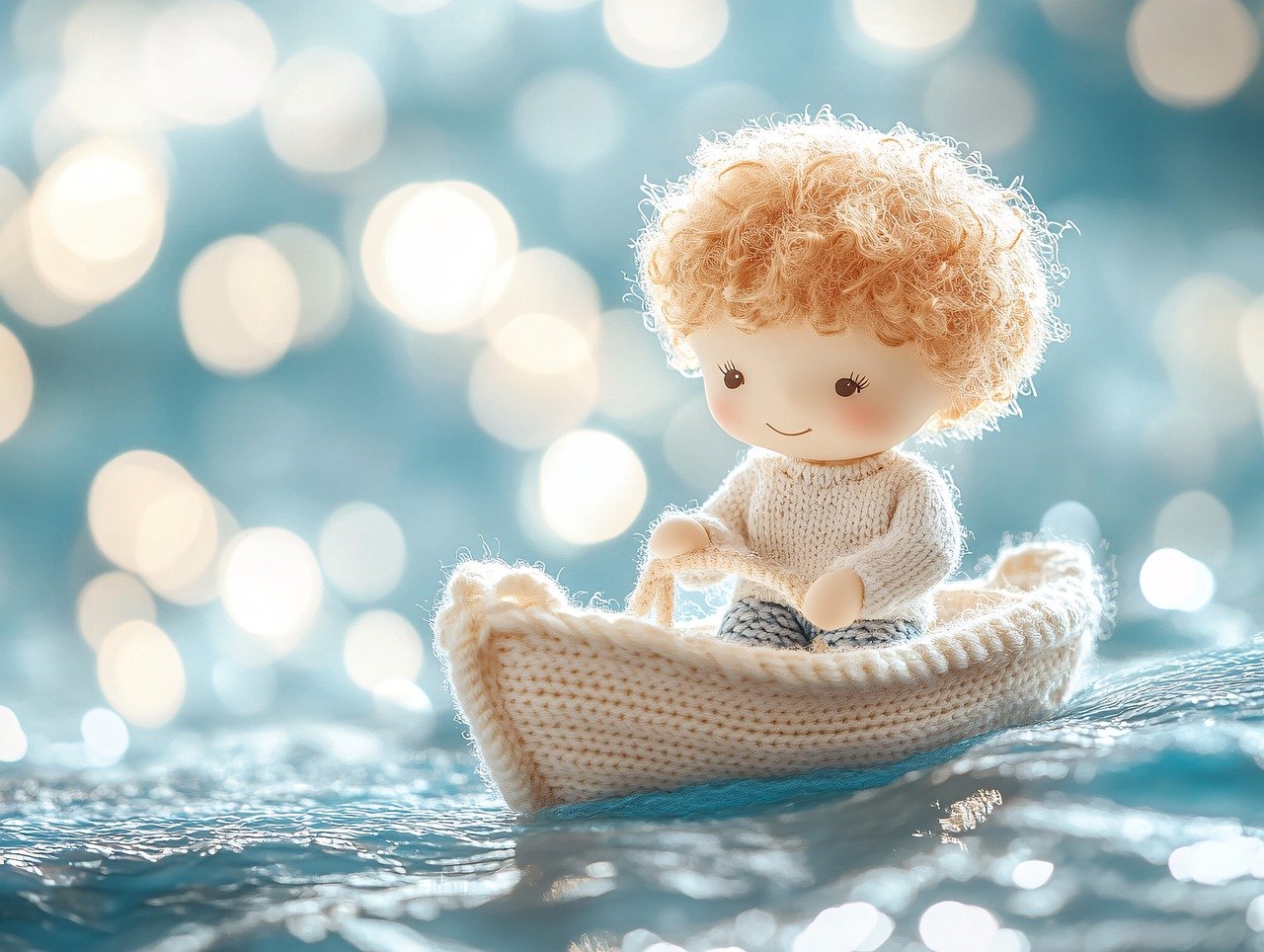
For instance, placing a large, vibrant designer toy in a minimalist living room can create a focal point that draws the eye and adds a touch of whimsy. Similarly, smaller, intricately designed toys can be used to decorate shelves or mantels, offering layers of visual interest that enhance the overall aesthetic of a room.
Blending Toys with Functional Design
Incorporating designer toys into interior design is not just about aesthetics; it’s also about functionality. Many designer toys are created with dual purposes, serving as both decorative items and practical objects. For example, some toys double as lamps, bookends, or even furniture pieces, seamlessly integrating playfulness with utility.
Incorporating such versatile pieces into a design scheme allows for a harmonious blend of fun and function. This approach can be particularly beneficial in spaces like children’s rooms or creative studios, where the boundary between play and work is often blurred. By selecting designer toys that serve multiple purposes, designers can create environments that are both visually stimulating and highly functional.
Creating Themes and Narratives
Designer toys offer a unique opportunity to create thematic and narrative-driven spaces. By curating a collection of toys that share a common theme or story, designers can craft environments that tell a visual tale. This can be particularly effective in spaces like cafes, retail stores, or themed entertainment venues.
For example, a cafe might use designer toys inspired by Japanese otaku culture to create an immersive experience for patrons. By carefully selecting toys that align with a particular theme, designers can create cohesive and engaging environments that captivate visitors and enhance their experience.
Personal Expression and Customization
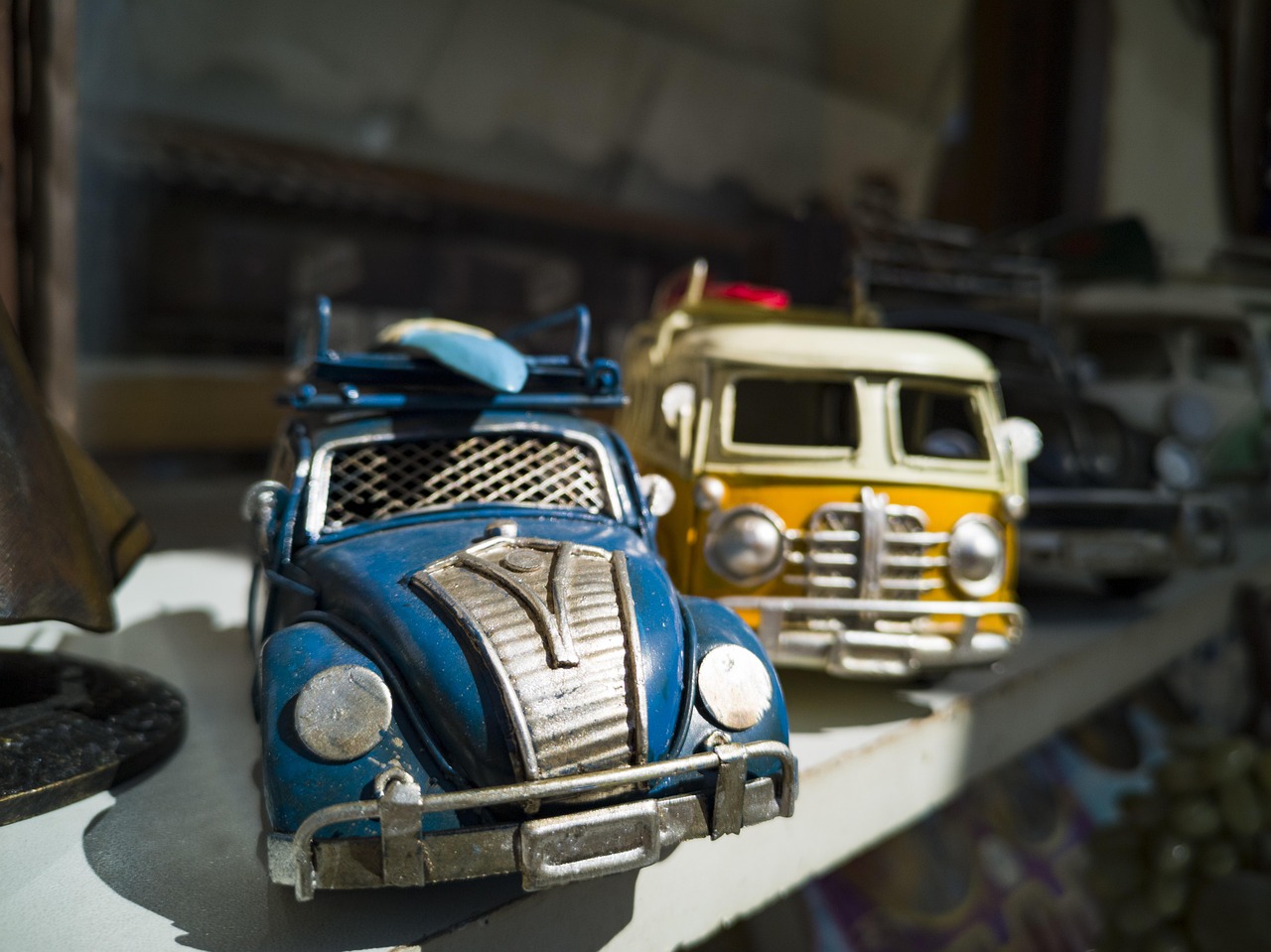
One of the most appealing aspects of designer toys is their ability to reflect personal taste and style. Many designer toys are customizable, allowing individuals to modify and personalize them according to their preferences. This customization aspect makes them ideal for those looking to express their unique identity through interior design.
Whether it’s a hand-painted vinyl figure or a custom-built resin sculpture, designer toys offer endless possibilities for personalization. This ability to tailor toys to individual tastes makes them an excellent choice for creating personalized spaces that resonate with the inhabitants’ personalities.
The Role of Designer Toys in Sustainable Design
Sustainability has become a crucial consideration in modern design, and designer toys can play a role in promoting eco-friendly practices. Many toy designers and manufacturers are increasingly focusing on sustainable materials and production methods, making it easier for eco-conscious consumers to incorporate these items into their homes.
For instance, some designer toys are crafted from recycled or biodegradable materials, reducing their environmental impact. By choosing sustainable toys, individuals can create stylish and environmentally responsible interiors, aligning with the growing trend towards sustainable living.
Designer Toys in Commercial Spaces
Designer toys are not limited to residential settings; they also have a significant presence in commercial spaces. Retail stores, offices, and hospitality venues increasingly use designer toys to enhance their interiors and create memorable experiences for customers and clients.
In retail environments, designer toys can serve as eye-catching displays that attract shoppers and enhance product presentation. In offices, they can add a touch of creativity and innovation, fostering an inspiring work environment. Hospitality venues, such as hotels and restaurants, can use designer toys to craft unique atmospheres that resonate with their brand identity and leave a lasting impression on guests.
The Future of Designer Toys in Interior Design
As the popularity of designer toys continues to grow, their role in interior design is likely to expand. With advancements in technology and materials, we can expect to see even more innovative and interactive toys that push the boundaries of traditional design.
The integration of technology trends such as augmented reality and smart home connectivity could further enhance the functionality and appeal of designer toys, making them an even more integral part of modern interior design. As designers and consumers continue to embrace these unique items, the future of designer toys in interior spaces looks promising and full of potential.
Takeaways
Designer toys have carved out a significant niche in the realm of interior design, offering a captivating blend of playfulness and aesthetics. From serving as statement pieces and functional decor to promoting sustainability and personalization, these toys provide endless opportunities for creativity and expression. As we look to the future, designer toys will undoubtedly continue to inspire and transform interiors, enriching spaces with their unique charm and artistic flair. Whether for residential or commercial environments, the integration of designer toys into interior design is a testament to the limitless possibilities of creativity and innovation.
Integrating Designer Toys with Different Interior Styles
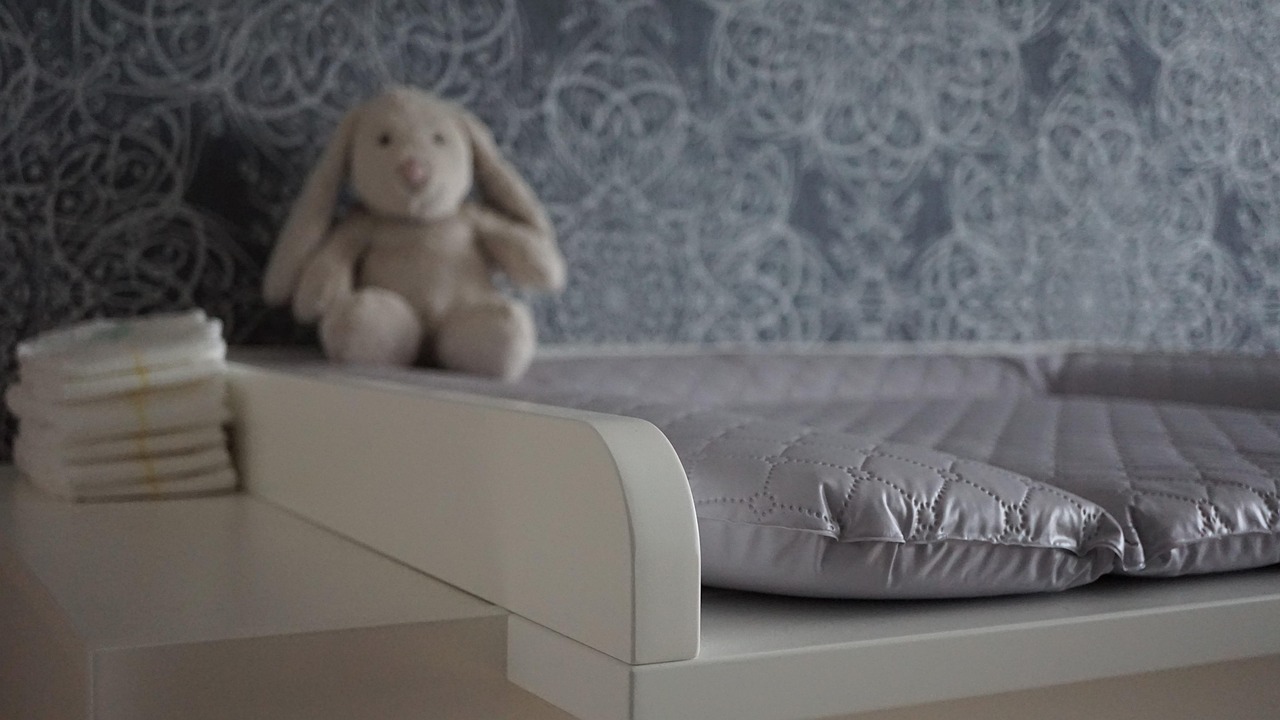
Designer toys can complement various interior design styles, adding a playful touch while maintaining the overall aesthetic theme. For example, in a modern minimalist space, a single, striking designer toy can serve as a focal point, offering a pop of color and an element of surprise against a neutral backdrop. In contrast, in a bohemian or eclectic interior, a collection of diverse toys can enhance the layered and textured look, contributing to the room’s vibrant and dynamic atmosphere.
When working with industrial design styles, toys featuring metallic finishes or mechanical elements can seamlessly blend with the utilitarian look. Meanwhile, in a mid-century modern setting, designer toys that feature retro designs or materials like wood and leather can harmonize with the classic furniture and decor of that era.
Designer Toys as Cultural Symbols
Designer toys often reflect cultural influences, making them powerful symbols within a space. Many artists draw inspiration from their heritage, pop culture, or current events, resulting in toys that not only serve as decorative pieces but also as cultural commentaries. These toys can introduce cultural elements into a room, offering a subtle nod to the owner’s background or interests.
For example, toys inspired by traditional African art can bring a sense of history and depth to an interior, while those influenced by contemporary urban art can infuse a space with modern cultural relevance. By selecting designer toys that resonate with personal or cultural significance, individuals can create interiors that are not only visually appealing but also meaningful and reflective of their identity.
Challenges and Considerations

While the integration of designer toys into interior design offers many benefits, it also presents certain challenges. Balancing the playful nature of these toys with the desired ambiance of a space requires careful consideration. It’s essential to ensure that the toys enhance rather than overwhelm the room’s design.
Another consideration is the maintenance and care of designer toys, especially those made from delicate or rare materials. Proper display and protection are crucial to preserving their condition, particularly in high-traffic areas or homes with young children. Investing in display cases or choosing toys that are both durable and stylish can mitigate these concerns.
Incorporating Technology with Designer Toys
Technology offers exciting opportunities to enhance the role of designer toys in interior design. Interactive elements, such as lighting effects or sound sensors, can transform a simple toy into a dynamic piece of decor. Smart toys that connect with home automation systems can adjust their features based on the time of day or the room’s ambiance, offering a personalized and ever-changing display.
For tech-savvy individuals, incorporating smart home devices with designer toys can create an engaging and interactive environment. These integrations not only add a layer of fun but can also enhance the functionality and adaptability of a space, providing an innovative approach to interior design.
Final Thoughts
The role of designer toys in modern interior design is a testament to the evolving nature of decor and personal expression. By blending playfulness with aesthetics, these toys offer a unique avenue for creativity, allowing individuals to craft spaces that are both visually appealing and deeply personal. Whether used as statement pieces, cultural symbols, or interactive decor, designer toys have cemented their place in the design world, offering endless possibilities for innovation and inspiration. As we continue to explore the creative potential of these remarkable items, designer toys will undoubtedly remain a beloved and integral part of modern interior design.