How to Authenticate Your Designer Toys: Spotting the Real from the Fakes
Designer toys, a niche yet vibrant sector of the collectibles market, have captured the hearts of enthusiasts worldwide. With unique designs, limited editions, and collaborations with renowned artists, these toys are not only captivating but also valuable. However, the rise in popularity has led to a surge in counterfeit products. For collectors, knowing how to authenticate designer toys is crucial. In this comprehensive guide, we’ll explore various methods to ensure the authenticity of your prized collectibles.
Understanding the World of Designer Toys
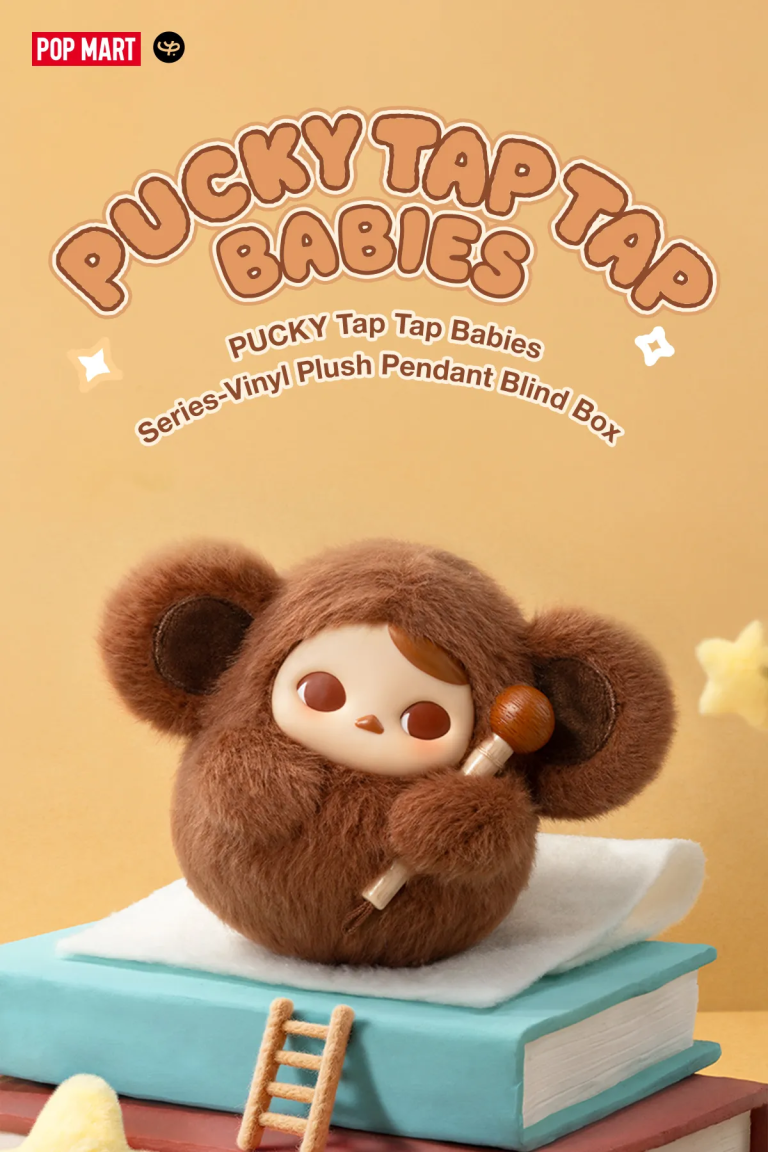
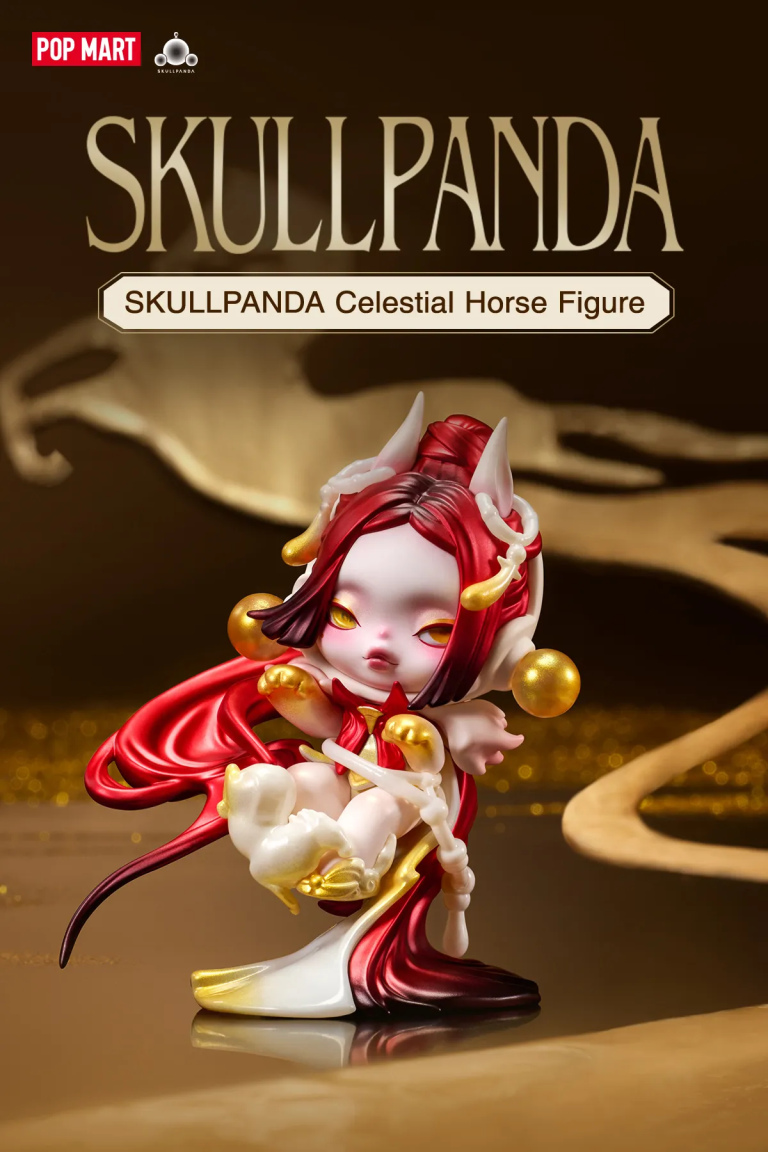
Designer toys, sometimes known as art toys, are typically produced in small runs and are often designed by artists or graphic designers. This realm includes vinyl figures, plush toys, and resin collectibles. What sets designer toys apart is their artistic value and the creativity behind each piece. Often, these toys are the result of collaborations between artists and manufacturers, leading to unique and highly sought-after products.
The Vinyl Pulse blog provides an insightful look into the world of designer toys, highlighting the latest releases and artist collaborations. With the increasing demand, it becomes imperative to distinguish genuine pieces from counterfeits.
Common Signs of Counterfeit Designer Toys
Counterfeit designer toys often lack the quality and detail of authentic pieces. Here are several indicators that a toy might be fake:
- Poor Craftsmanship: Authentic designer toys are made with attention to detail. Look for inconsistencies in paint application, rough edges, or mismatched parts.
- Incorrect Packaging: Packaging can be a tell-tale sign. Real products often come in high-quality boxes with specific branding. Check for spelling mistakes and low-quality prints.
- Lack of Documentation: Many authentic toys come with a certificate of authenticity or a special tag. The absence of these can be a red flag.
Steps to Authenticate Designer Toys
To verify the authenticity of a designer toy, follow these steps:
Research the Brand and Artist
Start by researching the brand and the artist behind the toy. Familiarize yourself with their styles, past works, and collaborations. Websites like Kidrobot offer a wealth of information on various artists and their creations. Understanding the brand’s history and style will help you identify inconsistencies in design and quality.
Examine the Toy’s Details
Pay close attention to the toy’s details. Authentic toys are characterized by precise craftsmanship. Check the toy’s weight, balance, and material. Counterfeit toys may feel lighter or be made from cheaper materials.
Verify Serial Numbers and Edition Numbers
Many designer toys come with a serial number or edition number, often found on the toy or packaging. Verify these numbers with the manufacturer’s official database or website to ensure authenticity.
Consult Online Toy Communities
Online communities such as r/vinyltoys on Reddit can be invaluable resources. Engage with fellow collectors who may have knowledge about specific releases or tips on spotting fakes. Sharing photos and details for feedback can provide additional insights.
Purchasing from Reliable Sources
To minimize the risk of purchasing counterfeit toys, consider the following:
Buy from Authorized Retailers
Purchase from authorized retailers or the brand’s official website. These sellers are more likely to provide genuine products and offer customer support for any issues.
Avoid Deals That Seem Too Good to Be True
If a deal seems too good to be true, it probably is. Be wary of significantly discounted products, especially for limited editions or rare collectibles.
Check Seller Reviews and Ratings
When buying from platforms like eBay or Amazon, check the seller’s reviews and ratings. Positive feedback from other buyers can be a good indicator of a trustworthy seller.
The Role of Technology in Authentication
Advancements in technology have provided new methods for authenticating designer toys. Companies are now using blockchain technology to create digital certificates of authenticity. These certificates provide a tamper-proof way to verify the provenance of a toy.
Some brands are also incorporating NFC (Near Field Communication) chips within their toys. By scanning these chips with a smartphone, collectors can access detailed information about the toy’s authenticity and history.
Takeaways
Authenticating designer toys is essential for any serious collector. By understanding the nuances of craftsmanship, researching thoroughly, and leveraging technology, you can confidently identify genuine pieces. As the market for designer toys continues to grow, staying informed and vigilant will ensure that your collection remains authentic and valuable.
For further reading on identifying counterfeit goods in various industries, consider exploring resources like the International Chamber of Commerce’s Counterfeit Intelligence Bureau. Their insights can provide additional strategies for protecting your investments across different collectible markets.
The Importance of Community and Networking
Engaging with the designer toy community is not just about sharing your passion; it’s also a powerful tool for authentication and protection against counterfeits. Through networking, you can access firsthand knowledge, expert opinions, and the latest updates on new releases and counterfeit alerts.
Attend Conventions and Toy Shows
Conventions and toy shows are excellent opportunities to meet fellow collectors, artists, and manufacturers. Events like DesignerCon offer panels, workshops, and vendor booths where you can learn directly from the creators and industry experts. These events often have exclusive releases and panels discussing the latest trends in the world of designer toys.
Join Online Collector Forums
In addition to Reddit, there are numerous forums and groups dedicated to designer toys. Websites such as ToyArk provide forums where collectors discuss the latest toy news, share authentication tips, and post reviews of new releases. Being part of these communities can help you stay informed about potential counterfeit risks.

Documenting Your Collection
Maintaining detailed records of your collection is another way to safeguard its value. Documentation can serve as proof of authenticity and assist in cases of insurance claims or resale.
Keep Purchase Receipts and Certificates
Store all purchase receipts, certificates of authenticity, and any correspondence related to your acquisitions. These documents are essential for verifying the legitimacy of your toys and can support claims of authenticity if you decide to sell or insure your collection.
Create a Digital Archive
Consider creating a digital archive of your collection. Take high-quality photos of each toy, including close-ups of unique features, serial numbers, and any packaging. Storing this information digitally ensures that it is easily accessible and protected from physical damage.
Legal Aspects and Consumer Rights
Understanding your rights as a consumer can also help protect you against counterfeit products. In many countries, there are laws and regulations designed to safeguard consumers from fraudulent goods.
Know Your Rights
Familiarize yourself with consumer protection laws in your region. These laws often provide recourse if you have been sold counterfeit goods. For instance, many credit card companies offer protection services that allow you to dispute fraudulent charges.
Report Counterfeits
If you encounter counterfeit designer toys, report them to the relevant authorities. In the United States, the StopFakes.gov website offers resources and guidance on reporting intellectual property theft. Reporting counterfeits helps protect other collectors and maintains the integrity of the designer toy market.
Future Trends in Designer Toy Authentication
As the market evolves, so do the methods for counterfeiting. However, technological advancements continue to offer promising solutions for authentication.
Blockchain and Digital Certificates
The integration of blockchain technology in the collectibles market is set to revolutionize authentication processes. Blockchain provides a secure, decentralized ledger that can verify the authenticity of a toy from production to sale. This technology is already being explored by various brands to enhance consumer confidence.
Augmented Reality and Interactive Features
Some manufacturers are experimenting with augmented reality (AR) applications that allow collectors to interact with their toys digitally. These apps can provide additional information about the toy’s authenticity and history, offering another layer of verification.
Final Thoughts
Authenticating designer toys is a multifaceted process that combines research, community engagement, and technological tools. By staying informed and vigilant, collectors can protect their investments and ensure their collections remain genuine. As the landscape of designer toys continues to evolve, embracing new authentication methods and networking within the community will be key to navigating this vibrant and dynamic market.
For those new to the world of designer toys, the journey of collecting is as much about the community and stories behind each piece as it is about the toys themselves. Embrace the adventure, and let your collection reflect your unique passion and creativity.
Building a Sustainable Collection
As you become more adept at authenticating designer toys, it’s essential to consider the sustainability of your collection. A sustainable approach ensures that your collection remains manageable, valuable, and environmentally conscious.
Focus on Quality Over Quantity
It’s easy to become overwhelmed by the sheer number of designer toys available on the market. Prioritize quality over quantity by focusing on pieces that truly resonate with you or have significant artistic value. This not only helps maintain the integrity of your collection but also reduces the risk of acquiring counterfeits.
Support Independent Artists
Many independent artists produce limited runs of high-quality designer toys. Supporting these creators not only enriches your collection with unique pieces but also contributes to the diversity and innovation within the designer toy community. Platforms like Etsy showcase a variety of independent artists who create handmade or custom toys.
Consider Environmental Impact
The production of designer toys, especially those made from vinyl and plastic, can have environmental implications. Consider supporting brands that prioritize eco-friendly practices or use sustainable materials. This conscious approach contributes positively to the environment while adding meaningful pieces to your collection.
Staying Educated and Informed
The world of designer toys is ever-changing, with new trends, artists, and innovations emerging regularly. Staying educated and informed is key to maintaining a relevant and authentic collection.
Subscribe to Industry Publications
Industry publications and blogs provide up-to-date information on the latest trends, releases, and insights into the designer toy market. Subscribing to these resources can keep you informed about potential counterfeit alerts and emerging artists. Consider following publications like ToyNews for comprehensive coverage of the toy industry.
Engage in Workshops and Webinars
Participating in workshops and webinars hosted by industry experts and artists can deepen your understanding of the designer toy market. These events often cover topics such as toy design, production processes, and strategies for spotting counterfeits, providing valuable knowledge to enhance your collecting skills.
Takeaways
The journey of collecting designer toys is a rewarding pursuit that blends passion, art, and community. By mastering the art of authentication, you not only protect your investment but also gain a deeper appreciation for the craftsmanship and creativity behind each piece. As you continue to build and curate your collection, remember to stay informed, support the community, and embrace sustainability. Whether you’re a seasoned collector or just beginning your journey, the world of designer toys offers endless opportunities for exploration and discovery.
By following these guidelines and leveraging available resources, you can ensure that your collection remains authentic, valuable, and a true reflection of your unique taste and dedication to the art of designer toys.