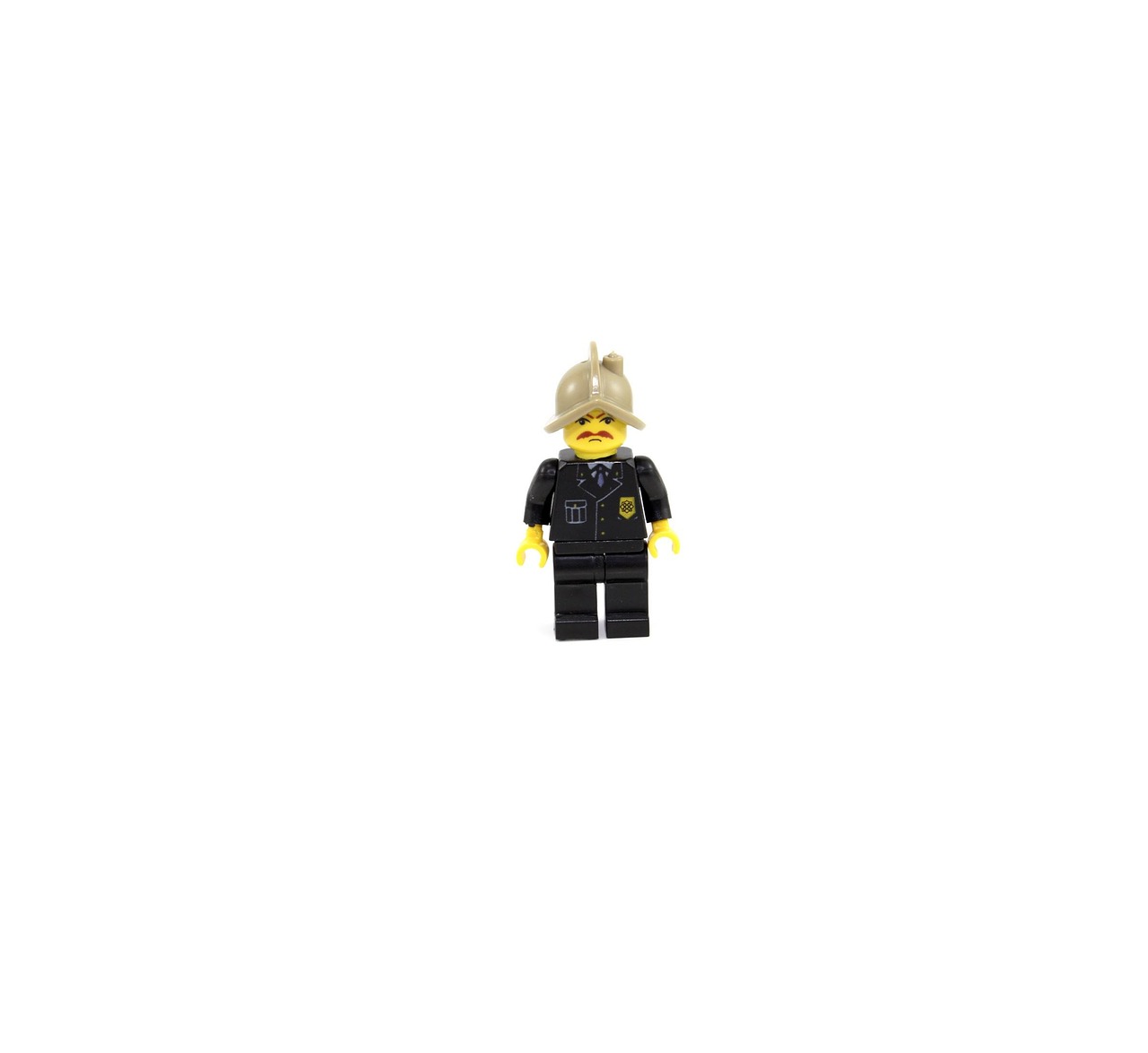
The Influence of Pop Culture on the Evolution of Designer Toys
In recent years, designer toys have transformed from niche collectibles into mainstream phenomena. This evolution owes much to the significant influence of pop culture, which has continuously reshaped and redefined the landscape of designer toys. Understanding this dynamic interaction is key to appreciating how designer toys have become cultural artifacts that reflect societal trends, values, and artistic expressions.
The Genesis of Designer Toys
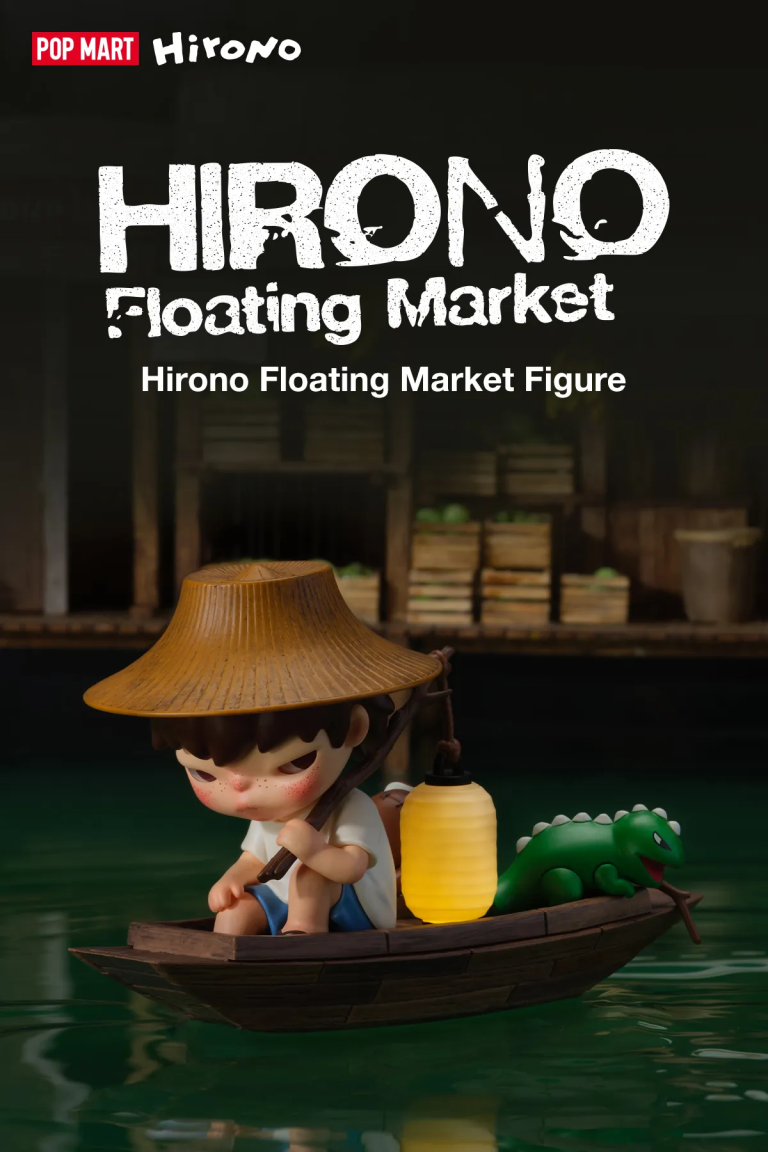
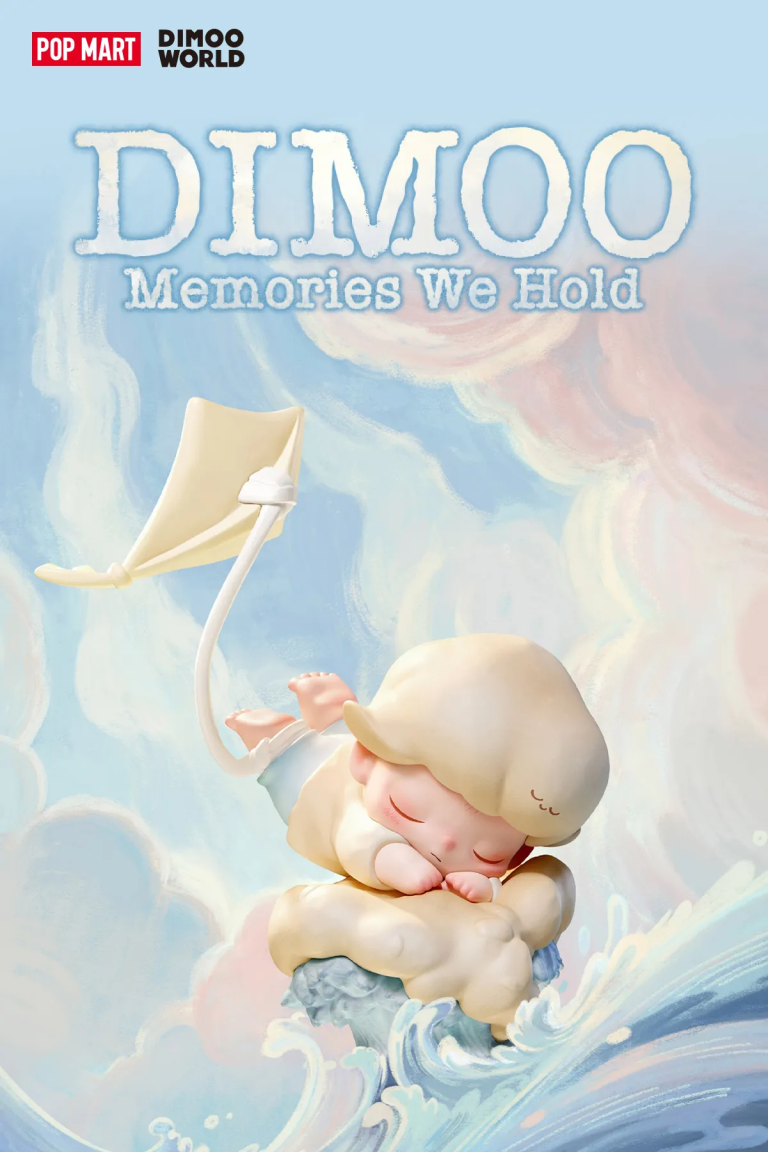
The origins of designer toys can be traced back to the late 1990s when artists began experimenting with creating collectible figurines that diverged from traditional toy aesthetics. These artists were inspired by urban art, fashion, and, notably, various elements of pop culture. The first designer toys were often limited-edition pieces, crafted from vinyl and adorned with unique designs. This movement blossomed in cities known for their vibrant art scenes, such as Tokyo, Hong Kong, and New York City, and quickly gained a cult following.
The modern art movement played a crucial role in this genesis, providing the conceptual framework that allowed toys to be seen as more than mere playthings. Artists like Michael Lau and KAWS leveraged their understanding of modern art to create toys that were both visually striking and thought-provoking, drawing inspiration from street art, graffiti, and pop culture icons.
Pop Culture as a Catalyst
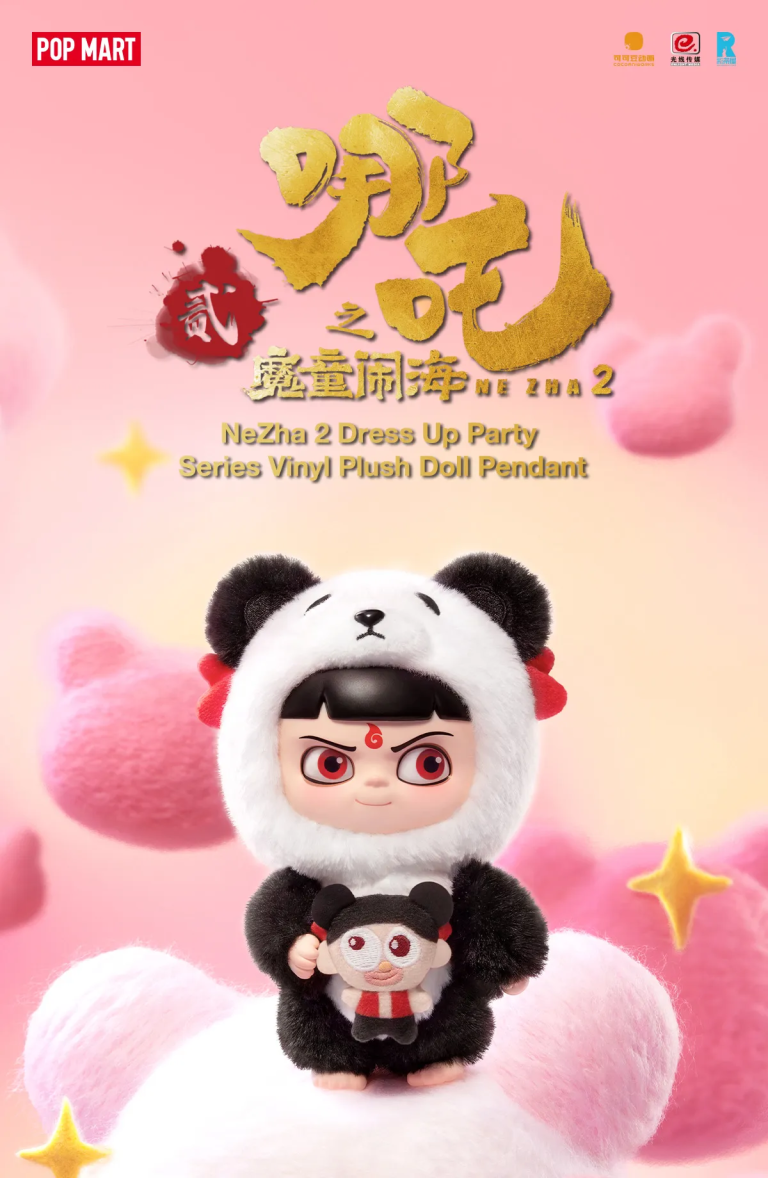
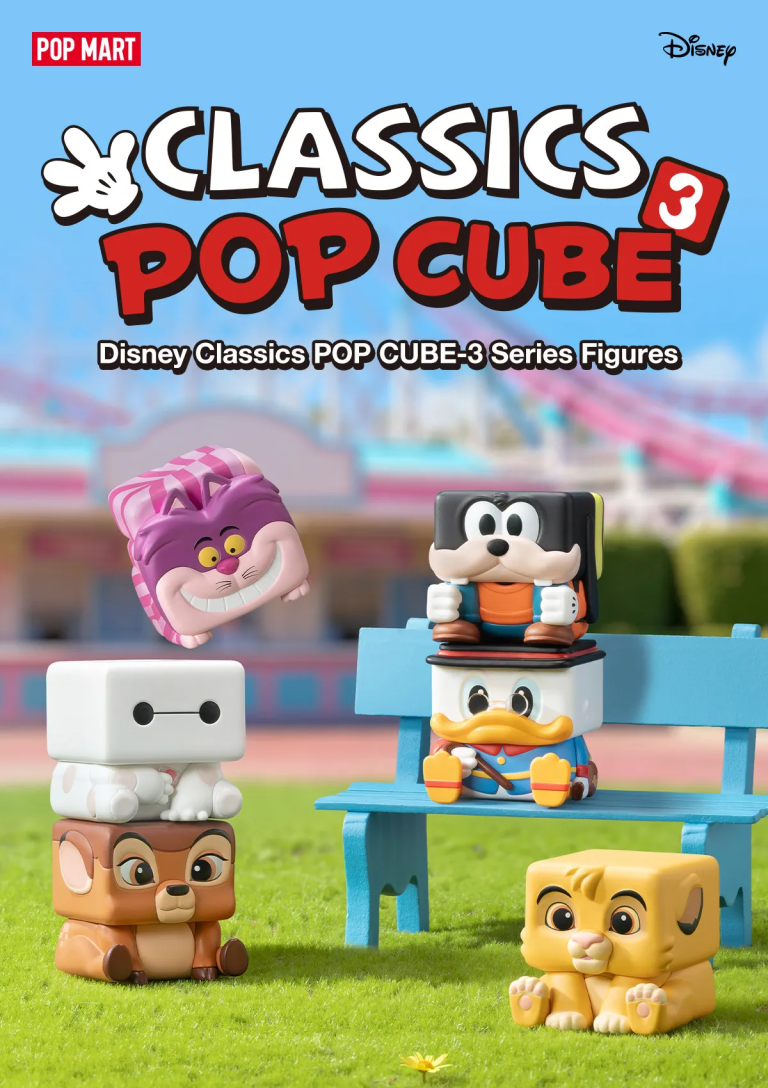
Pop culture serves as a mirror to society, reflecting the prevailing sentiments, ideologies, and trends of the time. As such, it has been a fertile ground for the evolution of designer toys. Iconic characters from television, film, music, and comic books have frequently been reimagined in the form of designer toys, blurring the lines between fan merchandise and art.

For instance, the influence of superhero franchises like Marvel and DC Comics is evident in many designer toys. These characters, already deeply ingrained in popular culture, provide a rich tapestry for artists to explore and reinterpret. By doing so, designers not only pay homage to beloved characters but also offer fresh perspectives that resonate with collectors and fans alike.
Collaboration with Pop Culture Icons
The intersection of designer toys and pop culture has also been fueled by collaborations with renowned artists and celebrities. These collaborations often result in limited-edition releases that are highly coveted by collectors. For example, the collaboration between the Japanese designer toy company Medicom Toy and contemporary artists like Banksy and Andy Warhol exemplifies how pop culture icons can elevate the status of designer toys.
Moreover, collaborations with fashion brands such as Supreme and Comme des Garçons have further cemented the status of designer toys as cultural symbols. These partnerships often feature exclusive designs that blend the aesthetics of both worlds, creating a fusion that appeals to audiences across different domains.
Social Media and the Rise of Designer Toys
The advent of social media platforms has significantly amplified the reach and impact of designer toys. Artists and brands can now showcase their creations to a global audience, fostering a thriving community of enthusiasts and collectors. Platforms like Instagram and TikTok have become crucial in marketing and influencing trends within the designer toy industry.

Social media has also facilitated the rise of influencer culture, where prominent figures within the designer toy community can shape public opinion and drive demand. These influencers often highlight the latest releases, exclusive collaborations, and limited editions, creating buzz and anticipation among their followers.
The Economic Impact of Pop Culture on Designer Toys
The symbiotic relationship between pop culture and designer toys has not only enriched the artistic landscape but also spurred economic growth. The global designer toy market has seen significant expansion, with collectors willing to invest substantial amounts in rare and exclusive pieces. This economic impact is further amplified by the integration of pop culture themes, which broadens the appeal of designer toys beyond traditional collectors.
Platforms like eBay and specialized online marketplaces have become vibrant hubs for buying and selling designer toys, where rare items can fetch prices that rival fine art. The demand for these toys, often driven by their pop culture significance, underscores their value as both collectibles and investments.
The Future of Designer Toys and Pop Culture
As pop culture continues to evolve, so too will the world of designer toys. New technologies, such as augmented reality and 3D printing, are poised to revolutionize the way designer toys are created and experienced. These advancements will allow artists to push the boundaries of creativity and provide new, interactive ways for fans to engage with their favorite pop culture icons.
The integration of Hollywood’s influence and the increasing cross-pollination between different cultural domains suggest that the designer toy industry is on the cusp of even greater innovation. As artists continue to draw inspiration from the ever-changing landscape of pop culture, the possibilities for new and exciting creations are limitless.
Takeaways
The influence of pop culture on the evolution of designer toys is undeniable. From their origins as niche collectibles to their current status as cultural icons, designer toys have become a canvas for artistic expression and a reflection of societal trends. As pop culture evolves, it will undoubtedly continue to shape and inspire the designer toy industry, leading to new innovations and artistic explorations.
In this dynamic interplay between art and culture, designer toys stand as a testament to the creativity and ingenuity of artists who dare to reimagine and redefine the boundaries of both. The future promises even more exciting developments, as the fusion of pop culture and designer toys continues to captivate and inspire audiences worldwide.
The Role of Designer Toys in Cultural Conservation
Beyond their artistic and economic contributions, designer toys also play a significant role in cultural conservation. By capturing the essence of pop culture phenomena, these toys serve as tangible records of specific eras and trends. For collectors, acquiring designer toys is akin to preserving a piece of history, a snapshot of the zeitgeist at a particular moment in time.
For instance, designer toys that encapsulate the vibrant street culture of the early 2000s or the digital revolution of the 2010s provide insight into the cultural shifts that defined those decades. As such, they hold value not only as collectibles but also as educational tools that can offer future generations a glimpse into the past.
Designer Toys and the Art of Storytelling
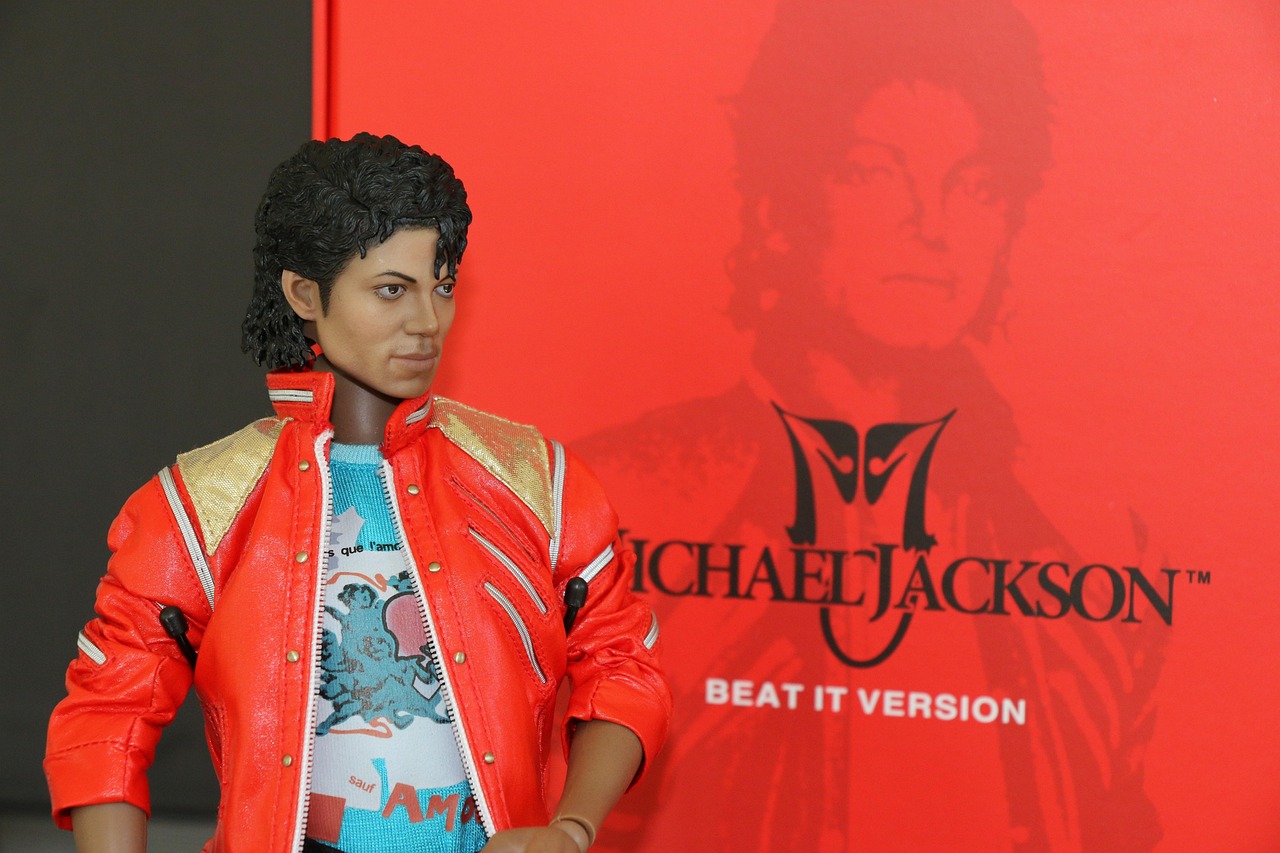
One of the most compelling aspects of designer toys is their ability to tell stories. Each toy, regardless of its size or design, carries with it a narrative that can evoke emotions and memories. This narrative quality is often enhanced by the incorporation of familiar pop culture elements, allowing fans to engage with the toys on a deeper level.
Take, for example, the designer toy series inspired by the “Star Wars” universe. Each character, from the iconic Darth Vader to the beloved Yoda, is reimagined in ways that highlight their story arcs and character traits. These toys not only celebrate the vastness of the “Star Wars” narrative but also encourage fans to explore new interpretations and connections.
Challenges and Criticisms
Despite their popularity, designer toys are not without challenges and criticisms. Some argue that the commercialization of these toys, driven by pop culture collaborations, can sometimes overshadow the original artistic intent. The focus on profitability and mass production may lead to a dilution of the unique qualities that initially defined designer toys as art pieces.
Moreover, the rapid pace of pop culture trends can pose difficulties for artists seeking to stay relevant. As new franchises and icons emerge, there is a constant pressure to innovate and adapt, which can be both creatively stimulating and exhausting. Balancing artistic integrity with commercial demands remains an ongoing challenge for many in the industry.
The Community Aspect
The designer toy community is a vibrant and diverse ecosystem of artists, collectors, and enthusiasts who share a passion for creativity and innovation. This community plays a crucial role in the evolution of designer toys, providing feedback, support, and inspiration to creators. Events such as DesignerCon and Toy Fair offer opportunities for community members to connect, collaborate, and showcase their work.

Through forums, social media groups, and conventions, the community fosters a sense of belonging and shared identity. It is within this space that new ideas are born, discussions are held, and the future direction of the designer toy industry is shaped. The community’s enthusiasm and dedication ensure that designer toys remain a dynamic and ever-evolving art form.
Conclusion: The Everlasting Impact of Pop Culture on Designer Toys
In conclusion, the relationship between pop culture and designer toys is symbiotic and mutually enriching. Pop culture provides the themes, icons, and narratives that inspire artists, while designer toys offer a platform for creative expression that captures the spirit of the times. This ongoing dialogue between art and culture ensures that designer toys continue to evolve and thrive.
As we look to the future, it is clear that the influence of pop culture will remain a driving force in the innovation and expansion of designer toys. The possibilities are endless, and with each new creation, the boundaries of what designer toys can represent are pushed further. For collectors, artists, and enthusiasts alike, the journey of exploring and shaping this unique art form is as exciting as the toys themselves.
For those interested in delving deeper into the world of designer toys, resources such as Designboom and Highsnobiety offer extensive coverage and insights into the latest trends and developments. Whether you’re a seasoned collector or a curious newcomer, the world of designer toys awaits with endless stories to tell and treasures to discover.
About the Author