Unveiling the Craftsmanship: An Inside Look at the Making of Designer Toys
Designer toys have captivated art enthusiasts and collectors worldwide with their unique blend of art, culture, and play. These collectible items, often seen as a cross between fine art and toys, are more than just objects to display on a shelf. They represent the confluence of creativity, craftsmanship, and consumer culture. In this post, we dive deep into the intricate world of designer toys, exploring the various stages of their creation, the materials used, and the cultural significance behind them.
The Origins and Evolution of Designer Toys
The designer toy movement began in the late 1990s, largely attributed to the urban vinyl scene in Hong Kong. Artists like Michael Lau and Eric So introduced limited-edition vinyl figures that blurred the lines between toys and art. This new form of expression quickly spread to Japan and the Western world, with artists and designers creating unique figures that often reflected pop culture, social commentary, and personal style.
Over the years, the genre has evolved to include various materials such as resin, wood, and plush. Notable collaborations between artists and brands have further expanded the appeal and reach of designer toys. Today, what started as a niche market has transformed into a global phenomenon, with dedicated conventions, galleries, and online communities celebrating this unique art form.
The Art of Design: Conceptualizing a Designer Toy
Every designer toy begins with a concept. Artists draw inspiration from a wide array of sources, including street art, comic books, and even personal experiences. The initial phase of design involves sketching and brainstorming to develop a cohesive idea that will translate into a three-dimensional form.
Once the concept is solidified, artists create detailed blueprints or digital models of the toy. This stage is crucial as it determines the toy’s proportions, articulation points, and overall aesthetic. The designer must consider how each element will be manufactured and assembled while ensuring the final product maintains the integrity of their original vision.
Materials Matter: Choosing the Right Medium
Choosing the appropriate material is a critical step in the creation of designer toys. Each material presents its own set of challenges and advantages, influencing the toy’s final appearance and durability.
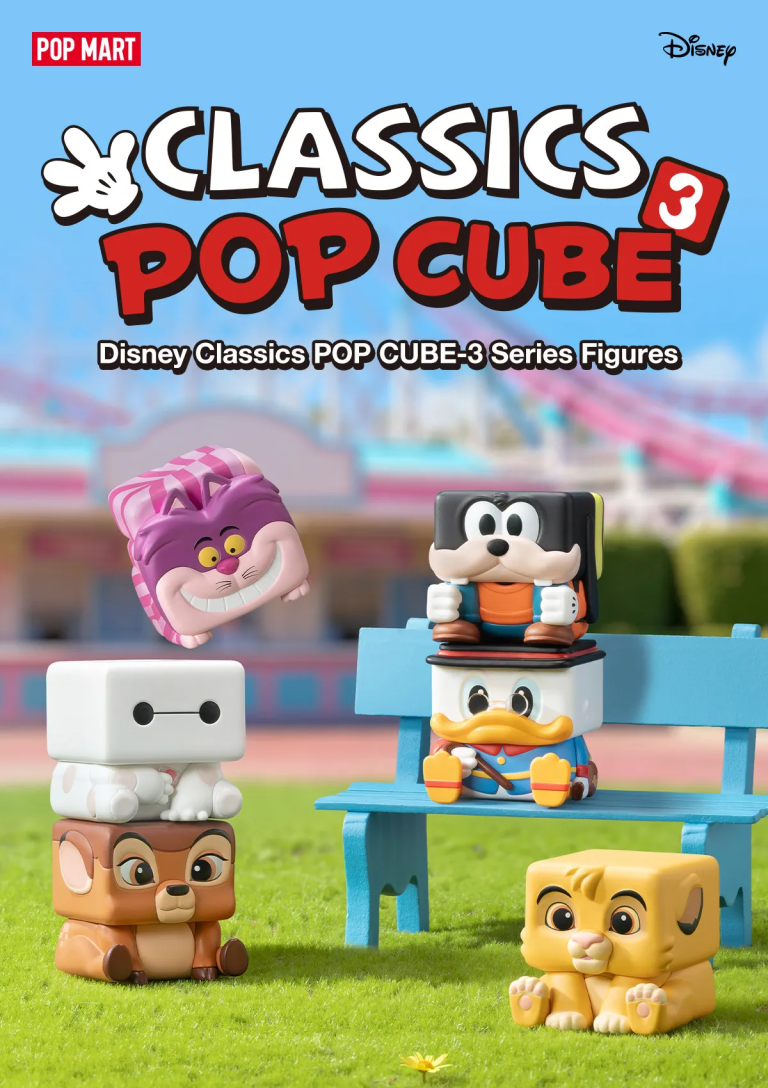
- Vinyl: Known for its smooth finish and versatility, vinyl is a popular choice for mass-produced designer toys. It allows for intricate detailing and vibrant colors, making it ideal for toys with complex designs.
- Resin: Preferred for limited-edition runs, resin offers a high level of detail and a heavier feel. However, it is more fragile than vinyl and requires careful handling.
- Wood: Used for artisanal pieces, wood adds a natural, organic texture to designer toys. It is often hand-carved and painted, resulting in unique, one-of-a-kind items.
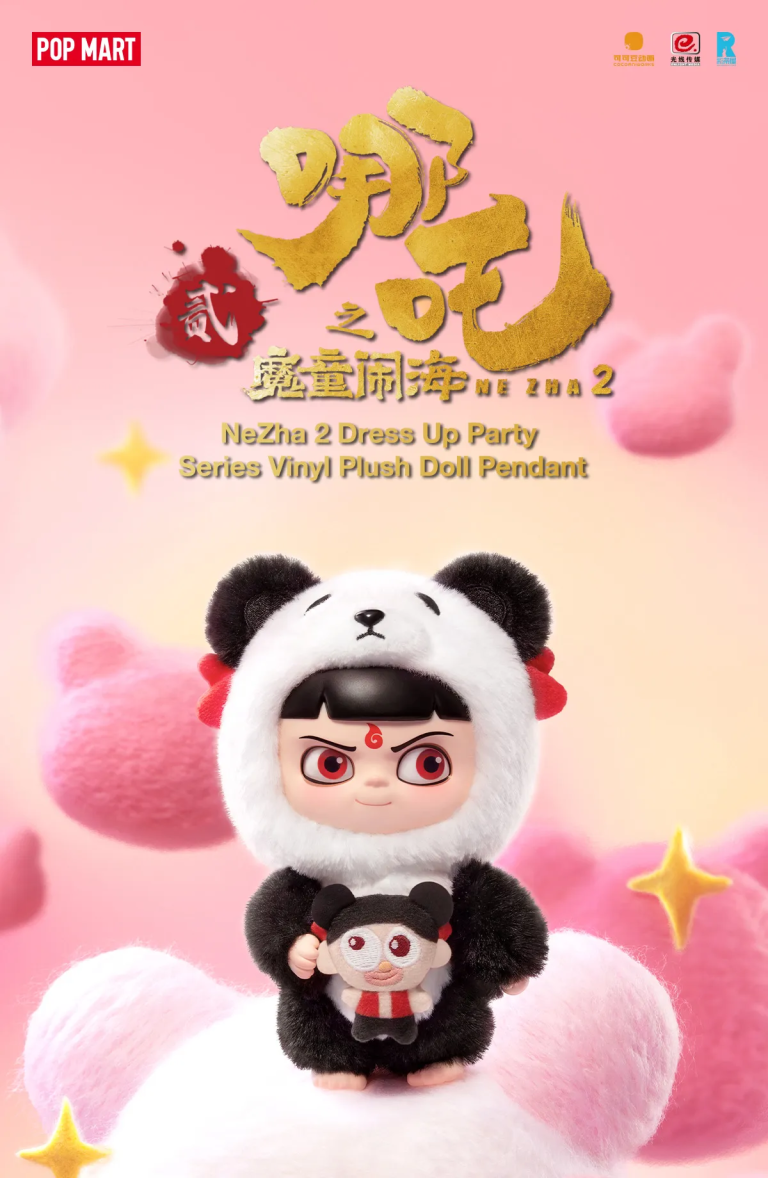
- Plush: For softer, more tactile toys, plush materials are utilized. These toys often appeal to a broader audience, including children, and offer a different sensory experience.
The Manufacturing Process: From Prototype to Production
Once the design and materials are finalized, the manufacturing process begins. This typically involves creating a prototype, often referred to as a “master model,” which serves as the basis for production molds.
For vinyl toys, a mold is crafted from the prototype, and the toy is cast in multiple pieces. These pieces are then assembled, painted, and packaged. The process requires precision and attention to detail to ensure consistency and quality across each piece.
For resin toys, the casting process is similar, but due to the material’s fragility, additional care is taken during assembly and painting. Wood toys are typically handcrafted, with each piece carved and finished individually.

The Cultural Impact of Designer Toys
Designer toys are not just about aesthetics; they carry cultural significance and social commentary. They often reflect contemporary issues, such as consumerism, identity, and environmental concerns. Some artists use their toys to challenge societal norms or to promote inclusivity and diversity.
The community surrounding designer toys is equally important. Collectors and fans often connect through conventions like DesignerCon, where they can meet artists, purchase exclusive pieces, and share their passion. Online platforms also play a crucial role in fostering this community, allowing enthusiasts from around the world to engage and collaborate.
Collecting Designer Toys: A Guide for Enthusiasts
For many, collecting designer toys is more than a hobby—it’s an investment. Limited editions and collaborations with renowned artists can appreciate in value, making them highly sought after by collectors. Here are some tips for budding collectors:
- Research: Educate yourself about different artists, brands, and styles within the designer toy scene. This knowledge will help you make informed purchasing decisions.
- Network: Connect with fellow collectors and artists through online forums and social media. Building relationships within the community can lead to discovering exclusive releases and opportunities.
- Preservation: Proper care is essential to maintain the value and condition of your collection. Keep toys in a controlled environment, away from direct sunlight and humidity.
The Future of Designer Toys
As technology advances, the future of designer toys looks promising. Innovations in 3D printing and digital design are opening new avenues for creativity and accessibility. Artists can experiment with complex shapes and structures that were previously unimaginable.
Moreover, the rise of NFTs (Non-Fungible Tokens) presents an intriguing frontier for designer toys, allowing creators to merge physical and digital art forms in novel ways. This integration could redefine how collectors interact with and value their collections.
Conclusion: The Artistry Behind Designer Toys
Designer toys represent a unique intersection of art, culture, and commerce. From their conceptualization to their craftsmanship, each piece tells a story and reflects the vision of its creator. As the industry continues to grow and evolve, it remains a testament to the enduring power of creativity and the human desire to collect and cherish art. Whether you’re an artist, collector, or enthusiast, the world of designer toys offers endless possibilities for exploration and inspiration.
Engaging with designer toys is not just about owning a piece of art; it is about participating in a dynamic and vibrant culture. The community’s passion for creativity and innovation ensures that this art form will continue to captivate and inspire future generations.
For those looking to delve deeper into this fascinating world, participating in workshops, attending conventions, and engaging with online forums can provide invaluable insights and connections. Many artists offer behind-the-scenes glimpses into their creative processes, often sharing tips and techniques through social media and digital platforms. This openness not only fosters a sense of community but also encourages aspiring artists to experiment with their own designs.
Furthermore, the environmental aspect of designer toys is becoming increasingly important. As awareness of sustainability grows, artists and manufacturers are exploring eco-friendly materials and production methods. This includes using biodegradable plastics, recycled materials, and sustainable packaging, which appeal to environmentally-conscious collectors. This shift not only aligns with global efforts to reduce waste but also adds another layer of meaning to the art form itself.
Ultimately, the allure of designer toys lies in their ability to transcend their physical form, serving as a medium through which artists express their ideas and connect with audiences. Whether it’s through a limited-edition vinyl figure or a hand-carved wooden piece, each toy carries a unique narrative that resonates with its owner.
As the industry continues to adapt and evolve, we can expect to see even more exciting developments in the realm of designer toys. The integration of new technologies, combined with a growing emphasis on sustainability and community engagement, promises to keep this art form at the forefront of contemporary culture. For collectors and creators alike, the journey into the world of designer toys is one filled with endless possibilities and discoveries.
In conclusion, designer toys are much more than mere objects; they are a testament to human creativity, cultural exchange, and artistic innovation. By delving into the craftsmanship and stories behind each piece, we gain a deeper appreciation for this unique art form and its place in the modern world. Whether you’re a seasoned collector or a curious newcomer, the universe of designer toys offers a rich tapestry of art, culture, and community waiting to be explored.
For those eager to start their own collection or create their own designer toys, the journey begins with an exploration of the vast resources available today. Aspiring creators can find a wealth of information and inspiration through online tutorials, artist blogs, and community forums dedicated to toy design. Many established artists also offer workshops and courses that provide hands-on experience and mentorship opportunities, making it easier than ever for newcomers to enter the field.
When it comes to collecting, it’s important to consider your personal interests and what speaks to you artistically. Some collectors focus on certain artists or themes, while others enjoy the thrill of discovering new and emerging talents. Being part of online communities or attending conventions can significantly enhance the collecting experience, offering opportunities to meet like-minded individuals and gain insights into upcoming trends and releases.
As designer toys continue to gain recognition in the art world, collaborations between mainstream brands and indie artists are becoming more prevalent. These partnerships often result in exclusive releases that blend high-end design with popular culture, attracting a diverse audience and further blurring the lines between art, fashion, and commerce. Such collaborations not only elevate the status of designer toys but also introduce this unique art form to new audiences, expanding its reach and impact.
For creators, the challenge lies in balancing artistic vision with commercial viability. While some artists choose to produce limited runs to maintain exclusivity, others explore larger productions to reach a wider audience. This decision often depends on the artist’s goals and the resources available to them. Regardless of the approach, the core of designer toys remains rooted in creativity and storytelling, with each piece reflecting the artist’s unique perspective and style.
In the ever-evolving landscape of designer toys, innovation is key. Artists continually push the boundaries of what is possible, experimenting with new materials, techniques, and technologies to create groundbreaking designs. As the community grows and evolves, so too does the potential for new and exciting developments in the world of designer toys.
Whether you’re drawn to the artistic expression, the cultural commentary, or the sheer joy of collecting, designer toys offer a multifaceted experience that is both enriching and endlessly fascinating. As you embark on your journey into this colorful and imaginative world, remember that the true value of designer toys lies not just in their physical form but in the connections they foster and the stories they tell.
With a vibrant community of artists, collectors, and enthusiasts driving the movement forward, the future of designer toys is bright. As we continue to explore the artistry and innovation behind these captivating creations, we are reminded of the boundless potential of human creativity and the enduring power of art to inspire and connect us all.
About the Author