Brands & Artists: The Creative Forces Behind Designer Toy Culture
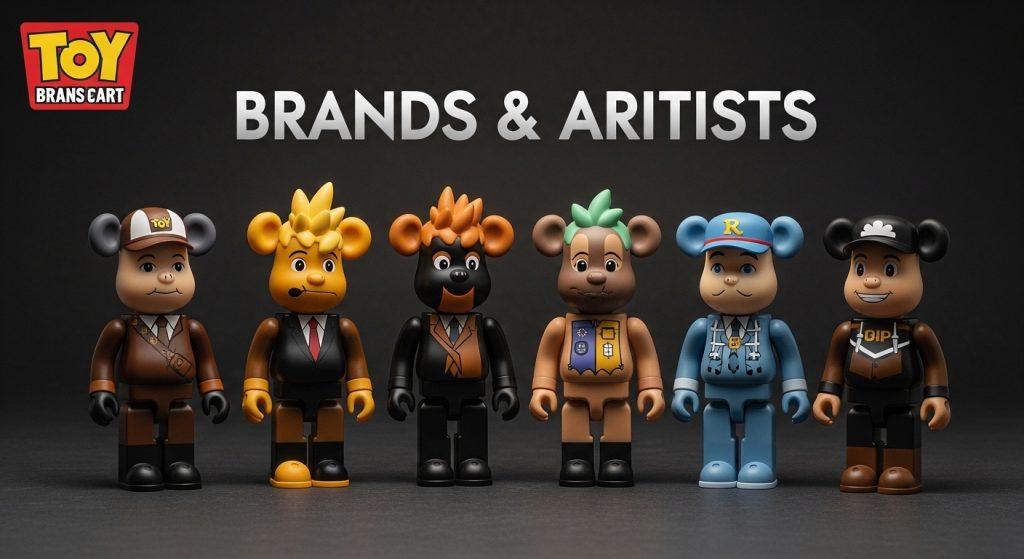
Designer toys are not defined by plastic or vinyl — they are defined by creators. Every iconic figure begins as an idea shaped by an artist, a brand vision, or a cultural movement.
At HypeToys, Brands & Artists explores the creative minds, legendary labels, and emerging designers who continue to shape the global art toy scene.
Because in the world of collectible toys, the name behind the piece often matters more than the material itself.
The Power of Brand Identity in Designer Toys
In traditional toys, characters drive recognition.
In designer toys, brands and artists drive value.
Strong brand identity creates:
- Collectibility
- Market trust
- Secondary resale value
- Long-term cultural influence
Collectors often follow creators rather than characters.
Brand reputation determines whether a release becomes hype — or history.
Iconic Designer Toy Brands
Certain brands have defined the movement.
Medicom Toy (BE@RBRICK)
Founded in Japan, Medicom Toy revolutionized designer toys with BE@RBRICK — a bear-shaped figure that became a canvas for global collaborations.
Key traits:
- Multiple size formats (100%, 400%, 1000%)
- High-profile fashion collaborations
- Limited edition releases
- Strong resale market presence
BE@RBRICK represents the intersection of art, fashion, and collectible culture.
KAWS
KAWS transformed from graffiti artist to global cultural icon.
Recognizable by:
- X-shaped eyes
- Reinterpreted cartoon characters
- Clean, sculptural forms
KAWS figures often transcend toy culture and enter contemporary art spaces.
His collaborations with luxury fashion houses further elevated designer toys into high-end culture.
POP MART
POP MART popularized the blind-box model globally.
Key characteristics:
- Character-driven series
- Limited chase figures
- Mass accessibility
- Strong Asian market influence
POP MART’s success demonstrates how narrative-driven design can scale worldwide.
Kidrobot
Kidrobot helped introduce urban vinyl toys to Western markets.
Notable for:
- Dunny platform
- Artist collaborations
- Street culture influence
Kidrobot remains a foundational name in the evolution of modern art toys.
Emerging Artists in the Toy Scene
The culture constantly renews itself through independent creators.
Emerging designers often:
- Self-produce small batches
- Use resin casting
- Sell directly via social platforms
- Collaborate with niche galleries
These artists bring authenticity and experimentation to the scene.
Collectors often discover future icons at early stages.
Artist Collaborations & Cross-Industry Influence
Collaborations expand audience reach.
Designer toy collaborations have included:
- Fashion brands (Dior, Supreme)
- Luxury houses
- Music artists
- Film franchises
- Streetwear labels
Cross-industry partnerships elevate toys beyond niche markets.
A collaboration can instantly redefine market demand.
What Makes an Artist Collectible?
Collectors evaluate creators based on:
- Design consistency
- Signature aesthetic
- Production quality
- Scarcity
- Cultural impact
An artist with a recognizable visual identity builds long-term brand equity.
Limited supply + strong identity = high demand.
Brand Legacy & Long-Term Value
Some brands maintain value over decades.
Key indicators of longevity:
- Strong archive releases
- Consistent creative direction
- Loyal collector base
- Controlled production volume
Market fluctuations occur, but established names retain cultural relevance.
Independent vs Corporate Brands
Independent creators:
- Smaller batch sizes
- Direct artist control
- Higher uniqueness
- Strong niche appeal
Corporate brands:
- Larger production scale
- Wider distribution
- Marketing-driven growth
- Lower entry price points
Both models shape the ecosystem.
The Global Influence of Toy Brands
Designer toy culture has strong regional influences.
Japan:
Precision, minimalism, collector loyalty.
China:
Blind-box expansion, mass-market innovation.
United States:
Street art influence, urban vinyl origins.
Europe:
Gallery-driven releases, art crossover appeal.
Global diversity fuels creative experimentation.
The Future of Brands & Artists in Toy Culture
We are seeing:
- Digital-native artists entering physical collectibles
- NFT + physical toy hybrids
- Sustainable production materials
- AI-assisted design concepts
- Micro-brand ecosystems
The barrier to entry is lowering, but brand longevity still depends on originality.
Why Brands & Artists Matter in Collecting
In designer toy culture, ownership is not random.
Collectors often align with:
- An artist’s philosophy
- A brand’s narrative
- A visual identity
- A community
Brand loyalty builds long-term market ecosystems.
Understanding creators helps collectors make informed decisions.
Internal Linking Strategy (SEO Structure)
From this Brands & Artists Hub page, you should later link to:
- The Complete Guide to BE@RBRICK
- Why KAWS Became a Cultural Icon
- POP MART Blind Box Strategy
- Top Emerging Designer Toy Artists
- Artist Spotlight Interviews
- Limited Edition Collaboration Analysis
Each of those pages should link back here using anchor text such as:
“designer toy brands and artists”
This builds authority around:
- art toy brands
- designer toy artists
- collectible toy creators
- BE@RBRICK guide
- KAWS collectibles
- POP MART figures