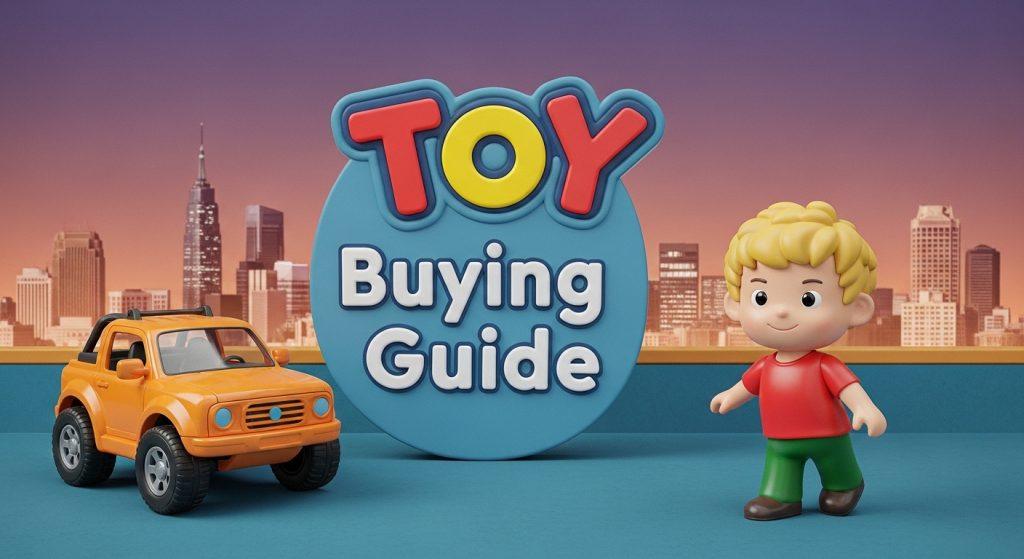
Buying Guide: How to Buy Designer Toys Smartly & Safely
Designer toys are not just collectibles — they are cultural assets. Whether you are buying your first blind box figure or investing in a limited-edition art toy, knowing how to purchase wisely can protect both your passion and your wallet.
At HypeToys, this Buying Guide helps you navigate authenticity, pricing, scarcity, resale markets, and long-term value.
Because in the world of hype culture, smart collecting is strategic collecting.
Understanding the Types of Designer Toys
Before buying, you need to understand what you are purchasing.
1️⃣ Limited Edition Art Toys
- Produced in small quantities
- Artist-driven
- Often signed or numbered
- Higher resale potential
Best for:
Serious collectors & investors.
2️⃣ Blind Box Series
- Mass-produced series
- Randomized characters
- Chase figures increase value
Best for:
Casual collectors & community-driven collecting.
3️⃣ Collaboration Releases
- Brand x Artist collaborations
- Fashion crossovers
- Museum or gallery exclusives
These often carry higher long-term cultural value.
Where to Buy Authentic Designer Toys
Buying from the right source is critical.
Official Channels
- Brand websites
- Official retail stores
- Authorized distributors
Safest option for authenticity.
Online Marketplaces
- StockX
- eBay
- Grailed
- Specialty toy resale platforms
Always check seller ratings and authentication policies.
Conventions & Events
- DesignerCon
- Wonder Festival
- ToyCon
Direct access to artists reduces counterfeit risk.
How to Spot Fake Designer Toys
Counterfeit figures are increasingly sophisticated.
Watch for:
- Poor paint finish
- Incorrect logos
- Packaging inconsistencies
- Missing authentication cards
- Unrealistically low prices
If the price feels too good to be true — it usually is.
Pricing & Market Value Analysis
Designer toy pricing is influenced by:
- Edition size
- Artist reputation
- Collaboration strength
- Cultural relevance
- Demand on secondary market
A limited run of 200 pieces will generally appreciate more than a run of 10,000.
However, hype cycles can distort short-term pricing.
Investment vs Passion: Know Your Motivation
There are two main collector mindsets:
The Investor
- Tracks resale trends
- Monitors release calendars
- Buys limited editions
- Focuses on scarcity
The Enthusiast
- Collects for aesthetic value
- Displays creatively
- Follows favorite artists
- Less concerned about resale
Both approaches are valid — clarity prevents regret.
Release Strategies & Drop Culture
Many high-demand toys sell out within minutes.
Tips for successful drops:
- Register accounts early
- Save payment details
- Follow brand social media
- Set reminders for release times
- Join collector Discord groups
Speed and preparation matter.
Secondary Market Strategy
After sell-out, the resale market activates.
Important factors:
- Price volatility in first 2–4 weeks
- Long-term artist credibility
- Economic climate
- Market saturation
Avoid panic buying during peak hype spikes.
Patience often reduces entry cost.
Condition & Packaging Importance
For collectors and investors, condition affects value.
Maintain:
- Original packaging
- Authentication materials
- Protective storage
- Minimal sun exposure
Mint condition significantly increases resale potential.
Beginner Collector Guide
If you’re new:
- Start with brands you genuinely like
- Avoid buying purely for hype
- Learn pricing trends before investing
- Focus on quality over quantity
- Set a monthly budget
Building slowly prevents impulse regret.
Risk Management in Toy Investing
Like sneakers or streetwear, designer toys carry risk.
Risks include:
- Market oversaturation
- Artist burnout
- Declining resale demand
- Counterfeit infiltration
Diversify your collection across brands and price points.
Long-Term Value Indicators
Toys with stronger long-term potential often have:
- Recognizable design language
- Limited production numbers
- Strong global fanbase
- High-quality craftsmanship
- Cross-industry collaborations
Cultural impact sustains value beyond hype.
Storage & Display Tips
Proper care protects investment.
- Avoid humidity
- Use display cases
- Prevent UV exposure
- Keep packaging intact
- Handle with gloves if high value
Preservation equals protection.
Common Buying Mistakes
- Buying every drop
- Ignoring authenticity checks
- Paying peak resale prices
- Overleveraging for hype
- Following trends without research
Discipline builds long-term success.
The Future of Buying Designer Toys
Emerging buying trends include:
- NFT-linked collectibles
- Pre-order production models
- AI price tracking tools
- Smaller independent artisan drops
- Sustainable material demand
Collectors who adapt early gain advantage.
Final Thoughts: Buy Smart, Collect Strategically
Designer toy collecting blends art appreciation with market awareness.
Whether you collect for joy or investment, informed decisions increase satisfaction and reduce risk.
In hype culture, knowledge is leverage.
Internal Linking Strategy (SEO & Conversion)
From this Buying Guide Hub page, you should later link to:
- How to Spot Fake Designer Toys
- Best Designer Toys to Invest In
- Where to Buy Authentic BE@RBRICK
- POP MART Blind Box Value Guide
- Secondary Market Analysis 2026
- Limited Edition Drop Calendar
Each page should link back here using anchor text such as:
“designer toy buying guide”
This builds authority around:
- how to buy designer toys
- authentic art toy guide
- collectible toy investment
- best toys to invest in
- limited edition toy buying tips