Culture & Community: The World Behind Designer Toys
Designer toys are more than collectibles. They are cultural artifacts — small-scale sculptures that reflect art, identity, rebellion, nostalgia, and modern consumer culture.
At HypeToys, Culture & Community explores the deeper layers of the toy scene: the artists, the collectors, the conventions, and the evolving global movement that continues to redefine what toys represent in contemporary culture.
This is where plastic meets philosophy.
The Rise of Designer Toy Culture
The designer toy movement emerged from the intersection of:
- Street art
- Graffiti culture
- Independent illustration
- Skateboarding aesthetics
- Underground art scenes
In the late 1990s and early 2000s, artists began transforming vinyl figures into art pieces. What once belonged to children’s toy shelves entered galleries, boutiques, and limited-edition drops.
Brands like:
- Medicom Toy (BE@RBRICK)
- KAWS
- Kidrobot
- POP MART
helped define the collectible art toy movement.
Today, designer toys are part of a global creative economy.
Art Meets Commerce
Designer toys exist in a unique space between art and product.
Unlike traditional sculptures:
- They are produced in limited quantities
- They are accessible to collectors
- They often sell out within minutes
Limited releases create scarcity.
Scarcity builds demand.
Demand builds cultural value.
Collectors are not just buyers — they are participants in the narrative.
The Role of Artists & Collaborations
At the core of the toy culture are artists.
Independent creators use toys as:
- A canvas
- A storytelling device
- A 3D extension of their visual identity
Collaborations between:
- Streetwear brands
- Luxury fashion houses
- Contemporary artists
have elevated toys into cultural icons.
Examples include:
- KAWS x Dior
- BE@RBRICK x Chanel
- Artist collaborations with Nike and Supreme
These partnerships blur the line between fashion, art, and collectibles.
Conventions & Global Toy Events
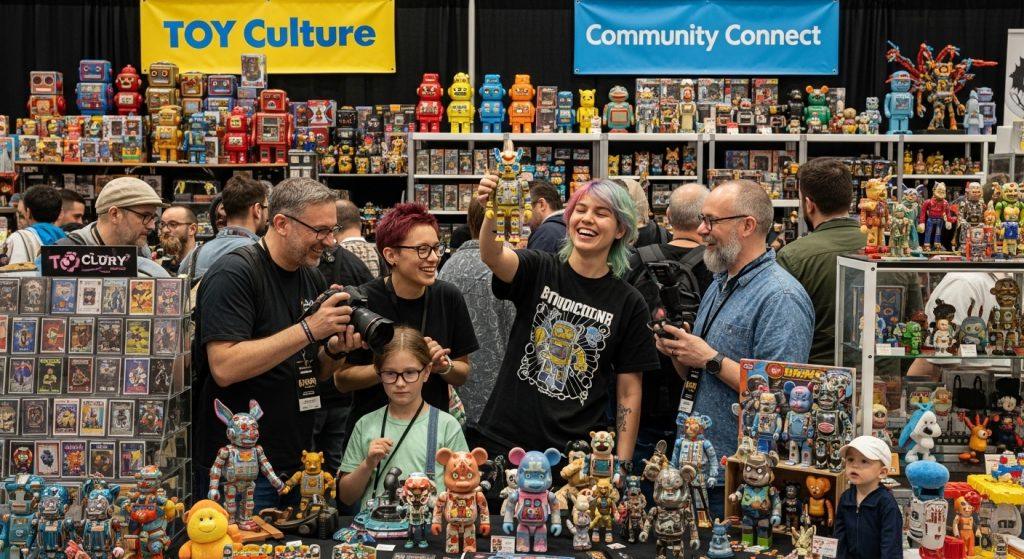
Community thrives at physical gatherings.
Major toy events include:
- DesignerCon (USA)
- Wonder Festival (Japan)
- ToyCon (various regions)
- Shanghai Toy Show
These conventions are where:
- New releases debut
- Artists meet collectors
- Limited editions sell out
- Cultural conversations unfold
For many collectors, these events define the year.
The Collector Mindset
Collecting designer toys is not just about ownership.
Collectors value:
- Authenticity
- Rarity
- Story behind the piece
- Artist reputation
- Cultural relevance
Some collect for nostalgia.
Others collect for investment.
Many collect for aesthetic fulfillment.
The psychology of collecting blends passion with strategy.
The Resale & Investment Culture
Secondary markets have become powerful.
Platforms and private marketplaces allow:
- Reselling limited editions
- Price appreciation tracking
- Cross-border trading
Certain figures increase significantly in value over time.
However, cultural value and hype cycles often determine pricing more than production cost.
The line between collector and investor continues to blur.
Street Culture Influence
Designer toys remain closely tied to street culture.
Influences include:
- Hip-hop aesthetics
- Skateboarding communities
- Graffiti art
- Underground fashion
The visual language of street culture often defines the character designs and artistic direction of collectible figures.
Without street culture, modern toy culture would not exist in its current form.
Social Media & Digital Community
The community is no longer limited to physical events.
Collectors now connect through:
- TikTok
- Discord groups
- Online forums
Social media accelerates hype cycles and global visibility.
Unboxing videos, display setups, and limited drop announcements travel instantly across continents.
Digital culture amplifies physical scarcity.
Display Culture & Personal Identity
How collectors display their toys matters.
Common display approaches:
- Minimalist glass cabinets
- Themed shelving
- LED-lit gallery setups
- Full-room collections
Display choices reflect personality.
A collection is often an extension of identity — curated, intentional, and expressive.
The Future of Toy Culture
The designer toy scene continues evolving.
Emerging directions include:
- NFT-integrated collectibles
- Augmented reality figures
- Sustainable material production
- Independent artist 3D printing
- Smaller batch artisan drops
As technology evolves, so does the definition of what a “toy” can be.
Why Culture & Community Matter
Without culture, toys are objects.
With culture, they become symbols.
Community provides:
- Validation
- Dialogue
- Inspiration
- Continuity
HypeToys is not just about reporting releases — it is about documenting the cultural movement behind them.
Because in the world of designer toys, every figure tells a story.
Internal Linking Strategy (SEO Structure)
From this Culture & Community Hub page, you should later link to:
- DesignerCon Event Coverage
- Top Emerging Toy Artists
- The History of BE@RBRICK
- Why KAWS Became a Cultural Icon
- The Psychology of Collecting Designer Toys
- Toy Resale Market Analysis
Each of those pages should link back here using anchor text such as:
“designer toy culture”
This builds authority around:
- designer toy culture
- toy collecting community
- street art toys
- art toy movement
- limited edition collectibles